
Remarks from the President
Dear DISTED Community,
The year is racing by, and we are already in the middle of May 2026. Global uncertainties arising from geopolitical competition among superpowers, particularly in the Middle East, continue to impact supply chains and the cost of living worldwide. Here in Malaysia, reports on these impacts fill both social media and mainstream media. At the same time, many post‑SPM and STPM students are facing concerns about their next steps in higher education. These factors collectively affect the emotional well‑being of young people in Malaysia.
Last Saturday, our lecturers from the School of Psychology and the School of Business & Hospitality—leaders in the field of understanding and managing emotions—facilitated a Leadership and Emotional Awareness programme at DISTED College for students from SK PCGHS. Our DISTED students from both schools also participated as facilitators and coaches, guiding the student leaders.
I am immensely proud of our faculty and students for their generosity in giving their time over the weekend to support young minds. Their efforts demonstrated the connection between academic theory and the real‑world application of psychology in leadership, communication, service and people management.
While I began this foreword by reflecting on global challenges, it is not all sobering news. We also took time to celebrate the mothers within our college community for their invaluable contributions in guiding and nurturing their “children” on campus. Happy Mother’s Day.
On behalf of DISTED College, I would also like to extend our sincere appreciation to En. Ariff Jafre of GoClicks for sharing his insights on AI applications in the creative industry.
President
Dato’ Dr (h.c) Lim Si Boon
Mothers at DISTED

Behind lecture notes, meetings and the everyday operations of campus life are individuals who carry dual responsibilities with remarkable dedication. As educators, administrators, and support staff, they play an integral role in shaping students’ academic journeys and personal growth. At the same time, as mothers, they nurture, guide and support their families with unwavering commitment. Balancing these roles is no small task, yet it is performed daily with strength, patience, and grace.
What is especially meaningful is how these roles often complement one another. The patience and empathy practised in the classroom mirror the understanding shown at home. Similarly, the resilience and problem‑solving skills developed through motherhood enhance professional responsibilities within the institution. In many ways, the DISTED environment is strengthened by these shared values of care, responsibility and perseverance.
This Mother’s Day offers an opportunity to pause and recognise these contributions—not through grand gestures, but through genuine appreciation. Simple acts such as a heartfelt word, flexibility or understanding can go a long way in acknowledging the effort that often happens quietly behind the scenes.
As DISTED continues to grow, it does so on the foundation of people who give their best in every role they hold. Today serves as a reminder that the impact of mothers within the institution extends far beyond the workplace—it helps shape a community grounded in care, resilience and mutual support. Happy Mother’s Day to all the nurturing souls at DISTED.
Noriah Kallanjiam
Lecturer, School of Communication, Arts and Multimedia
SACE Regional Learning Workshop 2026 – Psychology Session
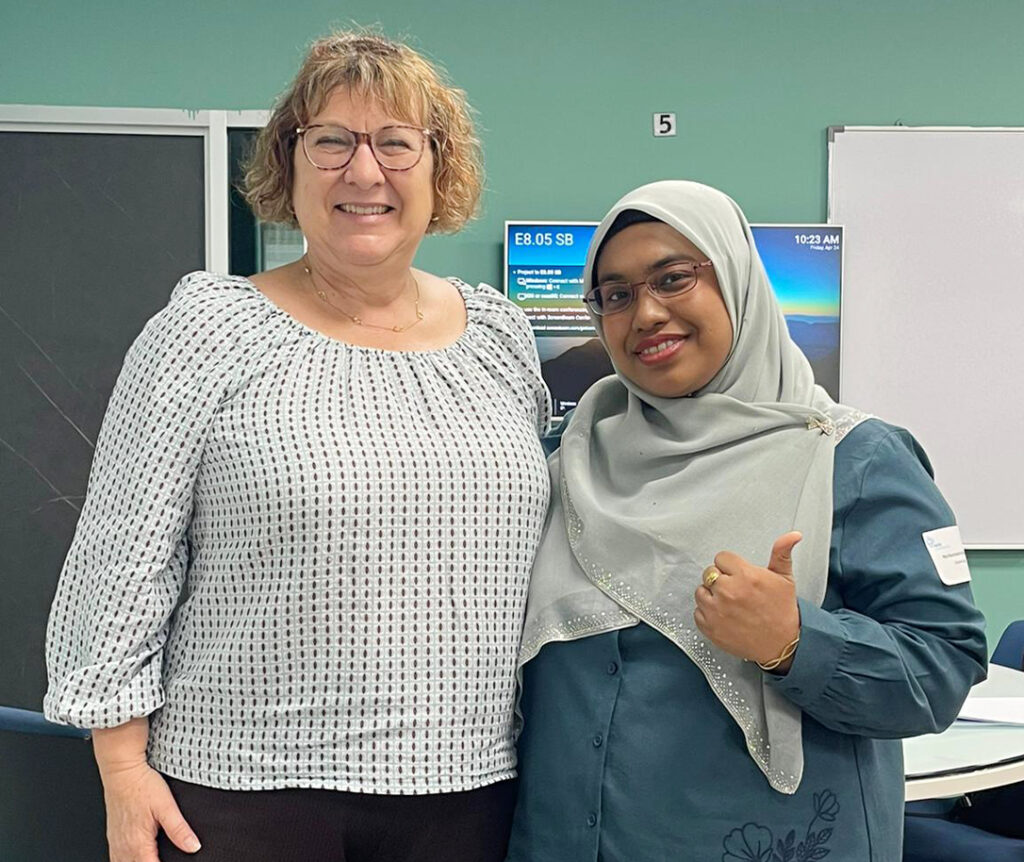
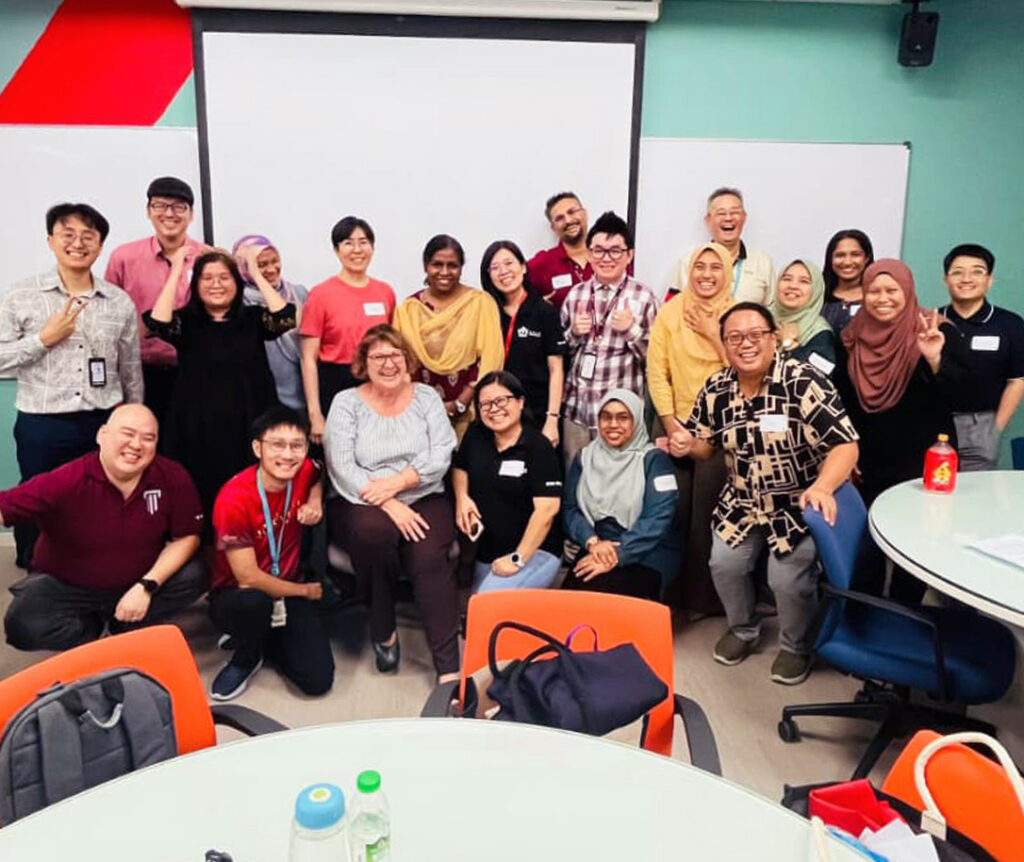
The SACE International Regional Learning Workshop, held at Taylor’s College, brought together educators from across the region for a dynamic and enriching professional development experience. Organised by the SACE Board, the two‑day workshop focused on strengthening teaching, learning and assessment practices within the SACE curriculum.
One of the key highlights of the programme was the SACE Psychology session led by Ms Deanna Isle, Faculty Manager at SACE Education Services. The session featured interactive and hands‑on learning activities designed to make professional development both practical and engaging for educators.
On the first day, participants explored past year’s examination papers alongside the Chief Examiner’s Report. The discussions focused on strengthening assessment of literacy and improving preparation strategies for School Assessment Tasks (SAT). Day two shifted attention to key curriculum components, including Science as a Human Endeavour (SHE), Design and Deconstruction (D&D), and investigation reports. These sessions provided educators with deeper insights into assessment of expectations and effective teaching approaches.
Beyond content delivery, the workshop offered a collaborative platform for educators to exchange ideas, share classroom experiences, and build professional networks. The open discussions and shared reflections helped strengthen teaching strategies and fostered a sense of professional community.
Overall, the workshop was a fruitful and inspiring professional learning experience. The knowledge and strategies gained will contribute to enhancing teaching practices at DISTED College and better supporting students to excel in future SACE Psychology examinations.
Nurshakirin Sulaiman
Lecturer, School of Pre University Studies
AI Talk: How AI Affects Multimedia Creation
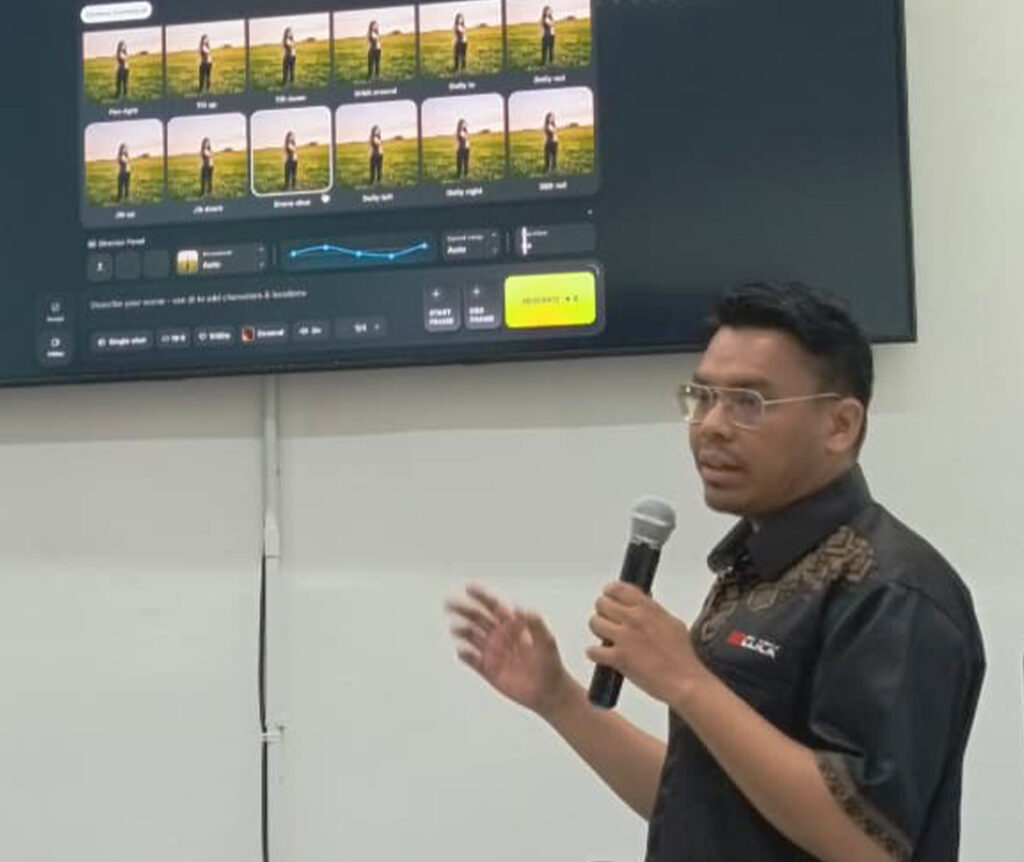
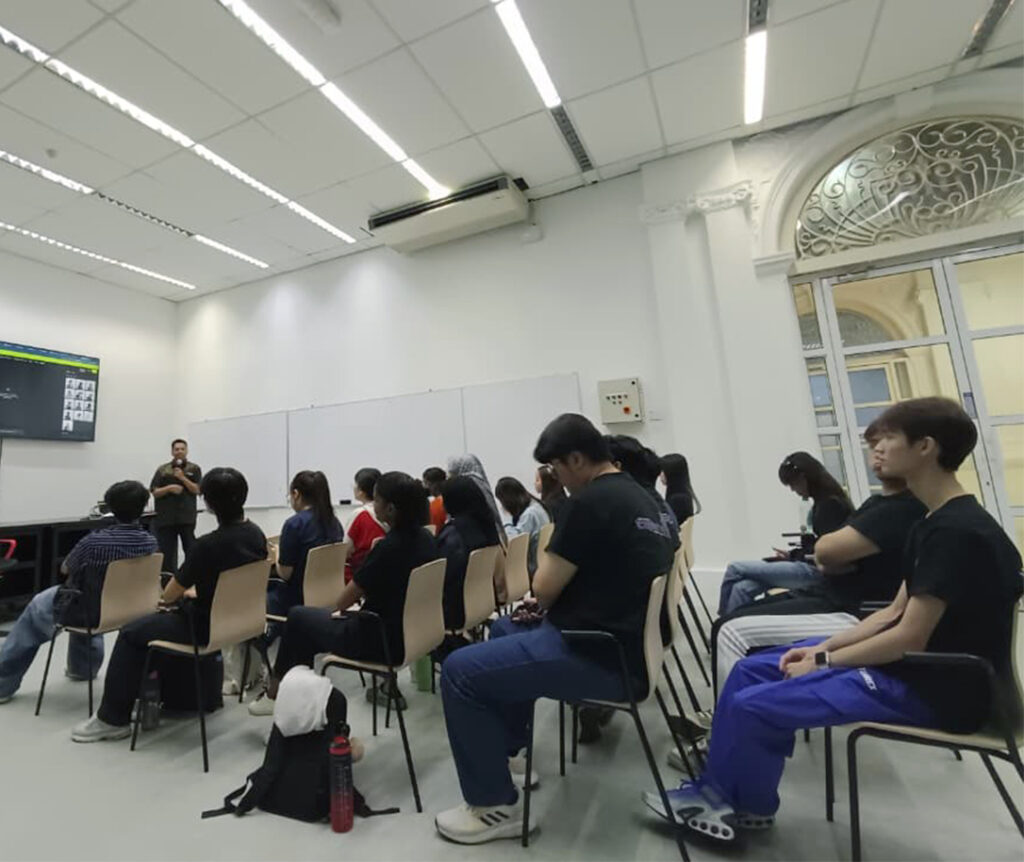
An AI talk delivered by Mr Afif Jafre from GoClicks Pictures offered students valuable insights into the growing influence of artificial intelligence in the multimedia and media production industry. The session introduced key ideas surrounding modern AI‑driven content creation, allowing students to better understand how emerging technologies are reshaping creative practices.
Through the discussion, students explored how AI tools are being used to generate visual and multimedia content, as well as how these innovations have transformed traditional production workflows. The talk highlighted the increasing integration of AI across the industry, emphasising both its efficiency and its impact on creative decision‑making processes.
A key aspect of the session focused on the importance of critical awareness. Students were encouraged to reflect on how to distinguish authentic, human‑created work from AI‑generated content—an increasingly relevant skill in today’s digital environment. This discussion helped raise awareness about ethical considerations, originality and responsibility when working with AI technologies.
Overall, the session served as an informative and thought‑provoking learning experience. It enhanced students’ understanding of technological developments in multimedia production while encouraging them to remain mindful, analytical and discerning in their engagement with AI‑generated content. The talk reinforced the importance of balancing technological advancement with creative integrity in the evolving media landscape.
Voon Jia Ting
Final Year Student, Diploma in Creative Multimedia Production
Building Future Leaders: A Collaborative Leadership Camp Experience
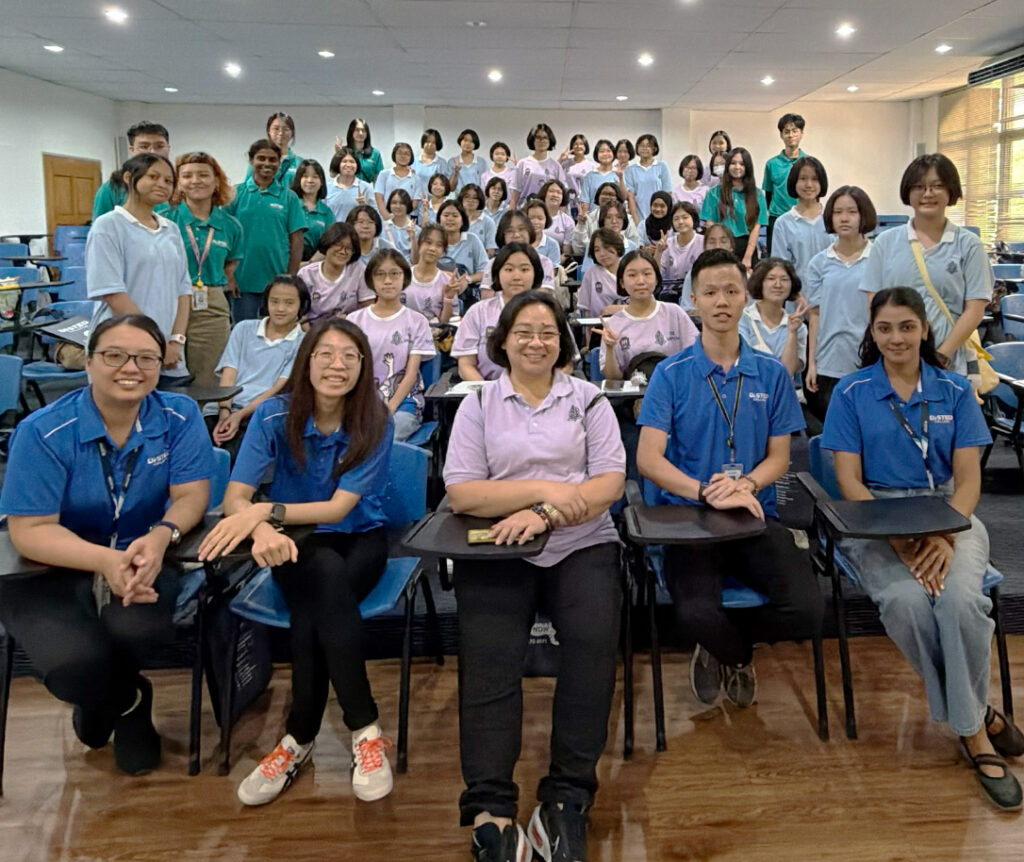
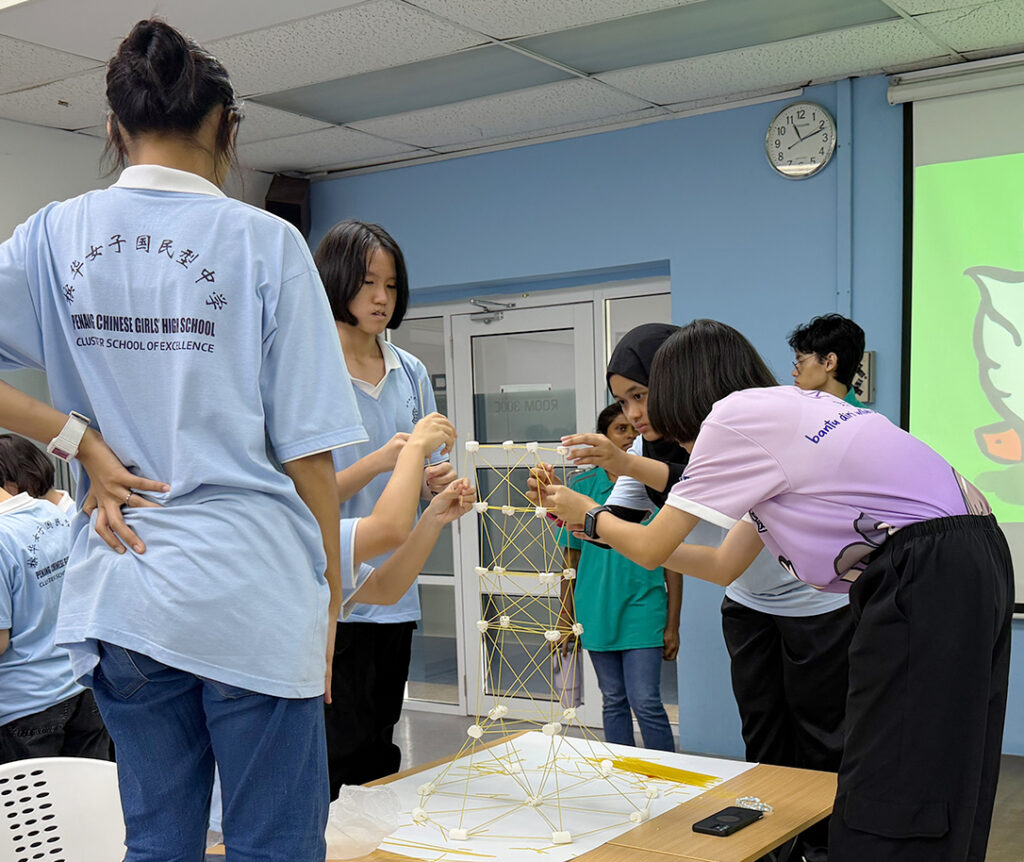
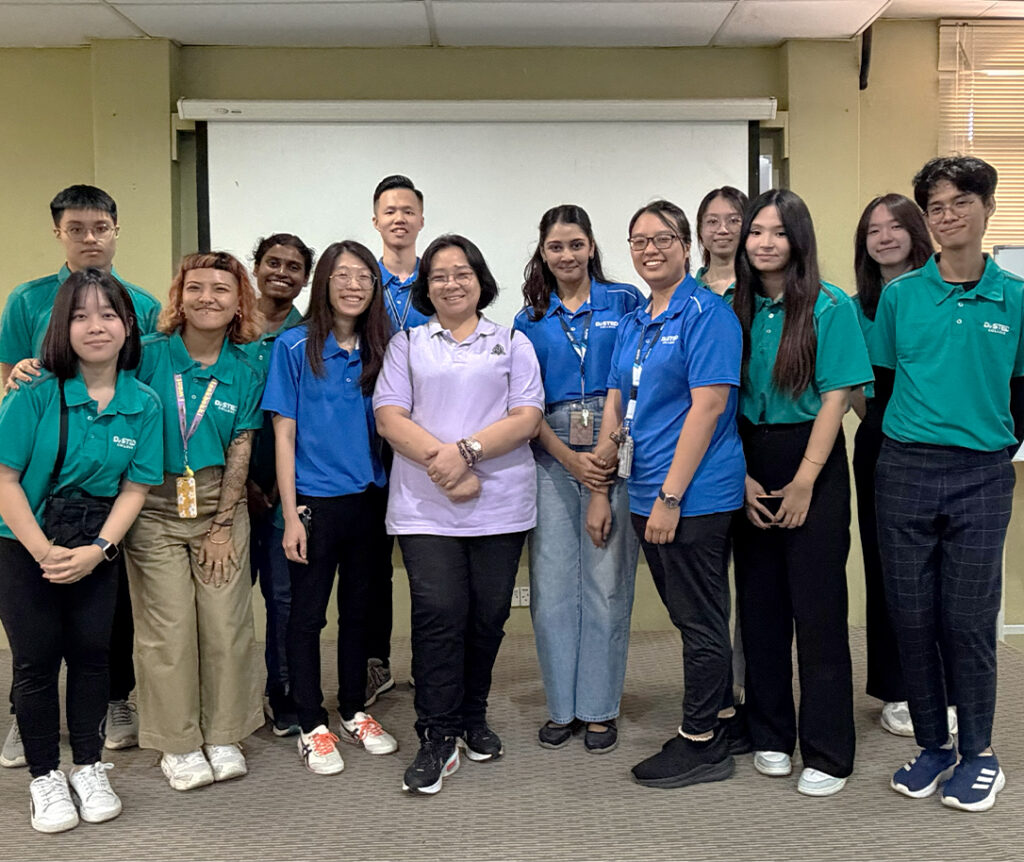
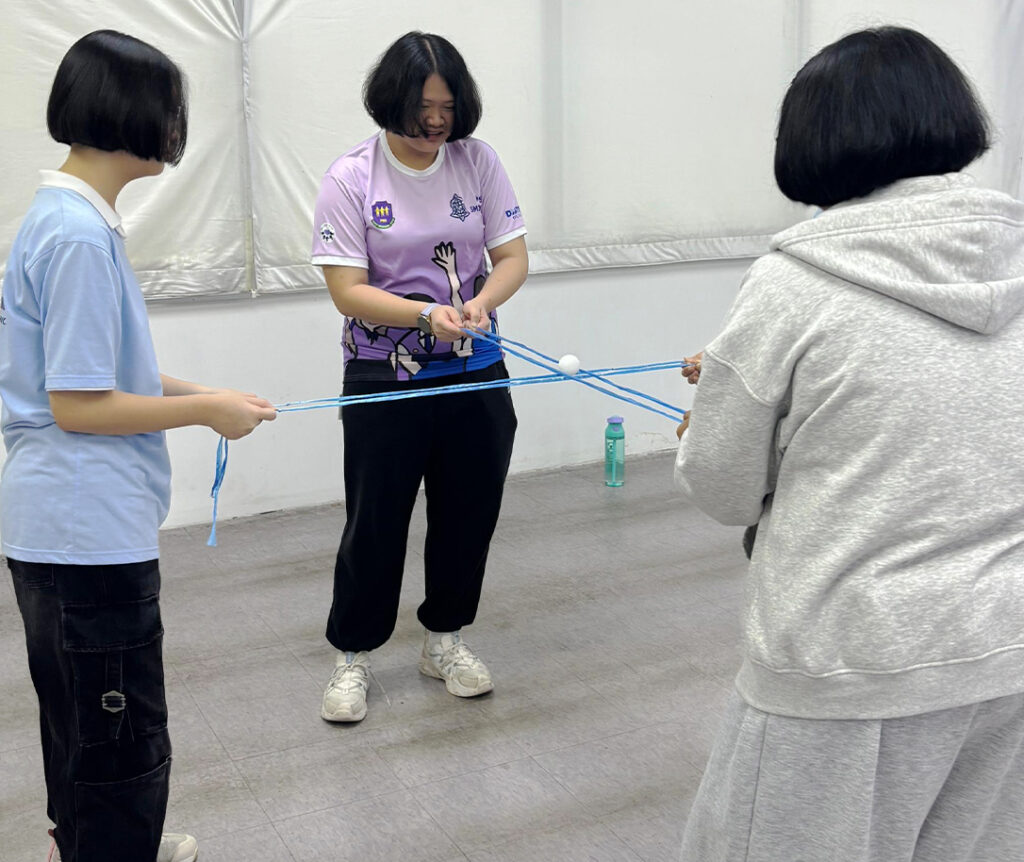
The School of Psychology, together with the School of Business and Hospitality, organised a leadership camp for 40 students from Penang Chinese Girls’ High School. The programme was designed to provide students with an engaging and supportive platform to develop essential leadership and interpersonal skills beyond the traditional classroom setting.
Throughout the camp, students participated in a series of structured group activities focused on teamwork, leadership and communication. These activities were grounded in experiential learning principles, encouraging students to actively participate, reflect on their experiences, and apply learning in real time. By collaborating to solve challenges, participants gained first‑hand insights into group dynamics, shared decision‑making and the importance of clear and respectful communication.
As part of the programme, students also engaged in brief art‑based self‑exploration activities. These sessions allowed students to reflect on their thoughts, emotions and personal strengths in a creative and accessible manner, supporting the development of self‑awareness—an important foundation for personal growth and positive interactions with others.
The camp was conducted in a supportive environment where students were encouraged to step out of their comfort zones while feeling guided and supported by facilitators. This balance of challenge and encouragement is particularly meaningful during adolescence, a stage marked by identity development and increasing social awareness.
The organisers extend sincere appreciation to the student volunteers whose dedication and efforts helped ensure the smooth running of the programme. Overall, the leadership camp provided a valuable opportunity for students to build confidence, strengthen peer relationships and develop a deeper understanding of themselves and others.
Tan Wei Jun
Lecturer, School of Psychology
Fuel Prices, EVs and Student Life: Feeling the Changes, One Step at a Time
The increase in global fuel prices and the reduction of fuel subsidies from 300 litres to 200 litres have had a noticeable impact on many Malaysians, including DISTED students and their families. While students may not always drive frequently, changes in fuel costs still influence daily expenses and shape student life in various ways.
Petrol and diesel users feel the effects almost immediately. Higher fuel prices lead to increased commuting costs, higher ride‑hailing and food delivery fares, and rising prices of goods. Students who travel daily to campus or work part‑time are often the first to feel this financial pressure. Additionally, campus cafeterias and nearby food outlets may increase prices to offset higher transportation and supply costs.
Students who rely on electric vehicles (EVs) are less affected in the short term, as EVs do not depend on petrol or diesel. However, the impact may be felt gradually. Rising global oil and gas prices can influence electricity generation costs, which may eventually lead to adjustments in electricity tariffs. As a result, EV charging costs could increase over time, though the effect is usually slower and less immediate compared to fuel price hikes.
For students from families with pensioners, rising fuel and living costs present a greater concern, as pensioners rely on fixed incomes. Overall, these developments provide valuable real‑world lessons for students on budgeting, financial planning, energy choices, and understanding how global economic changes affect everyday life.
Nur Aisya Najwa Amerrudin
Programme Lead, School of Business and Hospitality


