Remarks from the President
Dear DISTED Community,
One of the most valuable lessons Malaysia has learned is the power of influence that comes from relationships and networks. At DISTED, we not only recognise this but actively encourage our students to build meaningful connections and foster lasting relationships.
Following last week’s exciting new partnership with the Scottish Qualifications Authority, we are equally pleased and proud to announce the signing of a Collaboration Memorandum of Understanding (MoU) with the Singapore Institute of Management (SIM). This agreement opens up new mobility opportunities and enables mutual recognition of credits across our programmes.
Prior to the signing ceremony, Prof Wei Kwok Kee, President and CEO of SIM, along with his team, toured our campus. We truly look forward to deepening our collaboration with SIM in the years ahead.
President
Dato’ Dr (h.c) Lim Si Boon
World Beach Cleanup 2026: Taking Action for a Sustainable Future
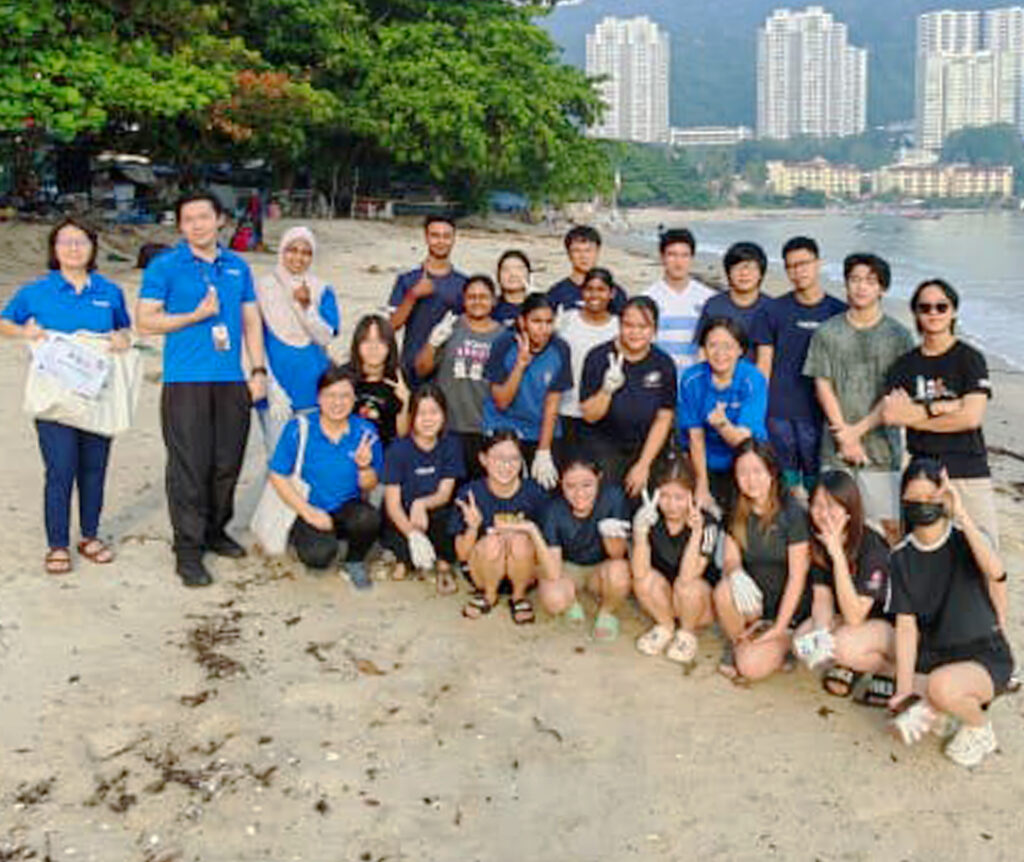
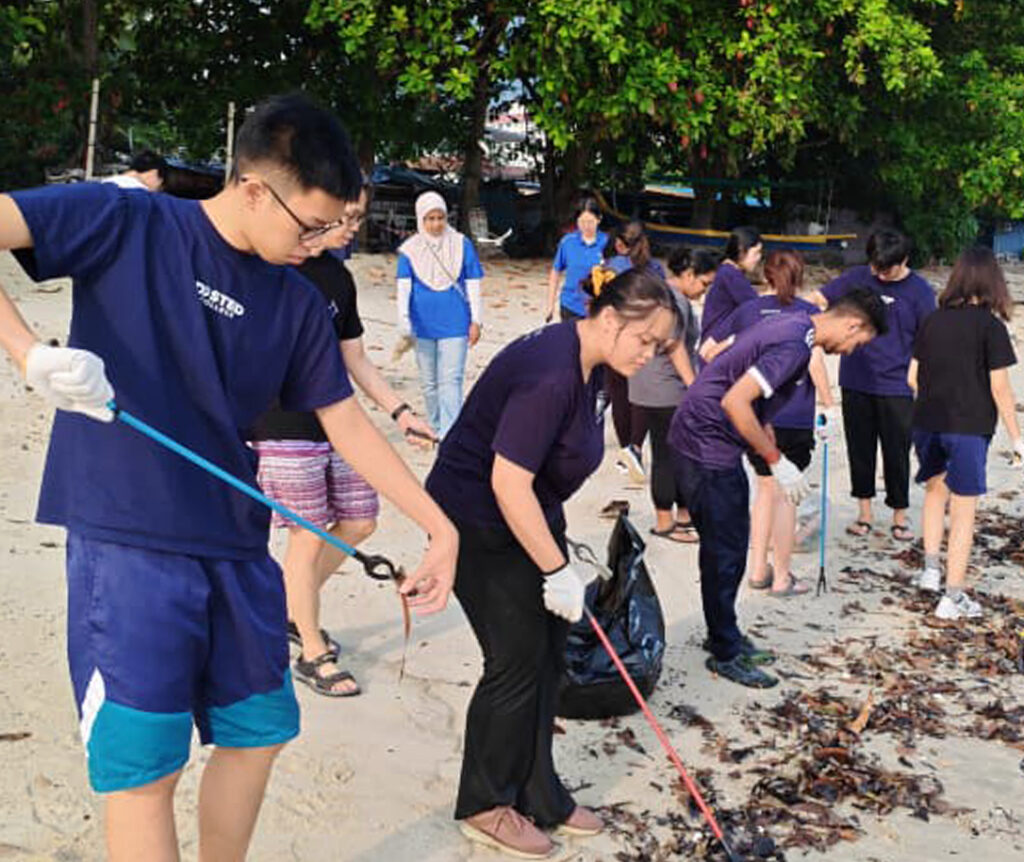
On 22 August 2026, students and lecturers from the School of Pre-University Studies and the School of Business and Hospitality participated in World Beach Cleanup 2026 at Tanjung Bungah Beach, Penang. The programme brought together members of the DISTED College community with a shared commitment to protecting the environment and promoting sustainable practices.
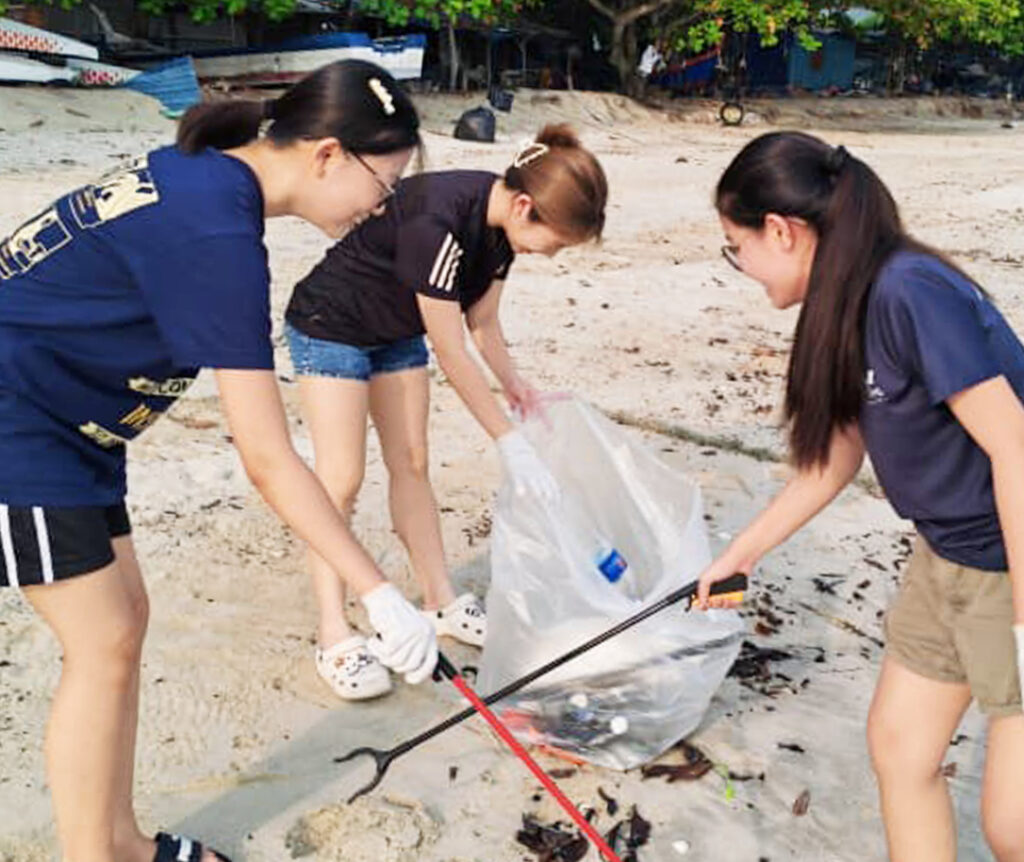
During the activity, participants worked together to collect rubbish and waste along the shoreline, including plastic packaging, bottles, and other debris. While beach cleanups may appear to be simple activities, they provide valuable opportunities to understand the impact of human activities on marine ecosystems and the importance of environmental stewardship.
The programme encouraged participants to reflect responsible consumption, proper waste disposal, and the need to reduce reliance on single-use plastics. Through firsthand experience, students gained a deeper appreciation of the role individuals and communities play in protecting natural resources and preserving the environment for future generations.
The initiative directly supports several United Nations Sustainable Development Goals (SDGs). It contributes to SDG 14: Life Below Water by helping reduce pollution entering the ocean and protecting marine ecosystems. It also supports SDG 12: Responsible Consumption and Production by promoting awareness of waste reduction and sustainable habits. In addition, the activity aligns with SDG 13: Climate Action through environmental advocacy and awareness, while the collaboration between students and lecturers reflects SDG 17: Partnerships for the Goals.
More than just a cleanup activity, World Beach Cleanup 2026 transformed sustainability from a classroom concept into meaningful action. Through collective effort and community participation, the programme reinforced the importance of environmental responsibility and demonstrated how small actions can contribute to a cleaner and more sustainable future.
Sharizan Abdul Rashid
Programme Lead, School of Business and Hospitality
Beyond Coding: Why Soft Skills Matter in Computer Science
When people think of Computer Science, they often associate it with programming, algorithms, and technical expertise. While these skills are undoubtedly important, success in today’s technology industry requires much more than the ability to write code. Employers increasingly seek graduates who can communicate effectively, collaborate within diverse teams, and adapt to rapidly changing environments. As technology becomes more integrated into everyday life, soft skills have become just as valuable as technical knowledge.
At DISTED College, students in the Diploma in Computer Science programme are encouraged to develop both technical and interpersonal competencies throughout their academic journey. Through group assignments, project presentations, and Final Year Projects, students gain valuable experience in communicating ideas clearly, managing teamwork, and solving problems collaboratively.
These learning experiences help prepare students for real-world workplace situations, where software developers, data analysts, and IT professionals are often required to work closely with clients, colleagues, and stakeholders. Effective communication and teamwork are essential for ensuring that technical solutions meet organisational and user needs.
Strong soft skills also support creativity, leadership, adaptability, and continuous learning. The ability to think critically, embrace new technologies, and work effectively with others enables graduates to thrive in an increasingly competitive and dynamic job market. While programming languages and technology tools may evolve over time, skills such as communication, teamwork, problem-solving, and leadership remain relevant throughout a professional career.
By fostering both technical expertise and soft skills, DISTED College equips future computing professionals with the knowledge, confidence, and adaptability needed to succeed in the digital age and contribute meaningfully to the technology sector.
Adibah Binti Riduan
Lecturer, School of Computing and Engineering
Empowering Students with Interview Skills and Future Pathways
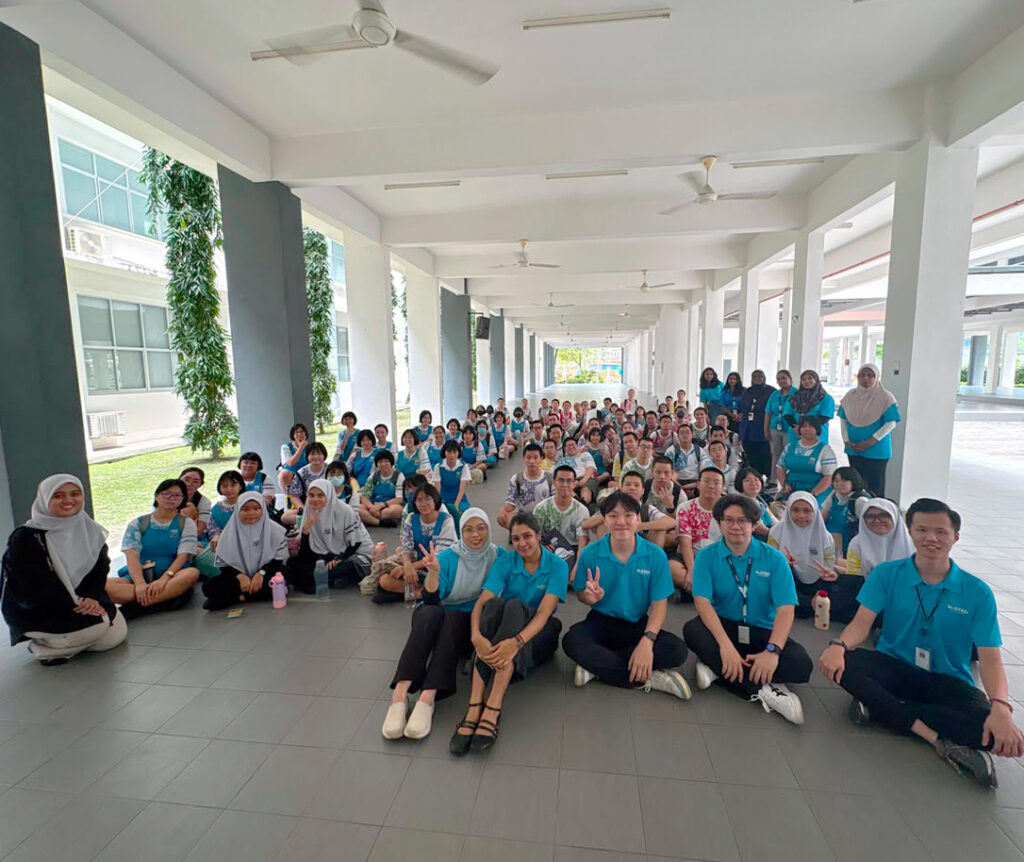
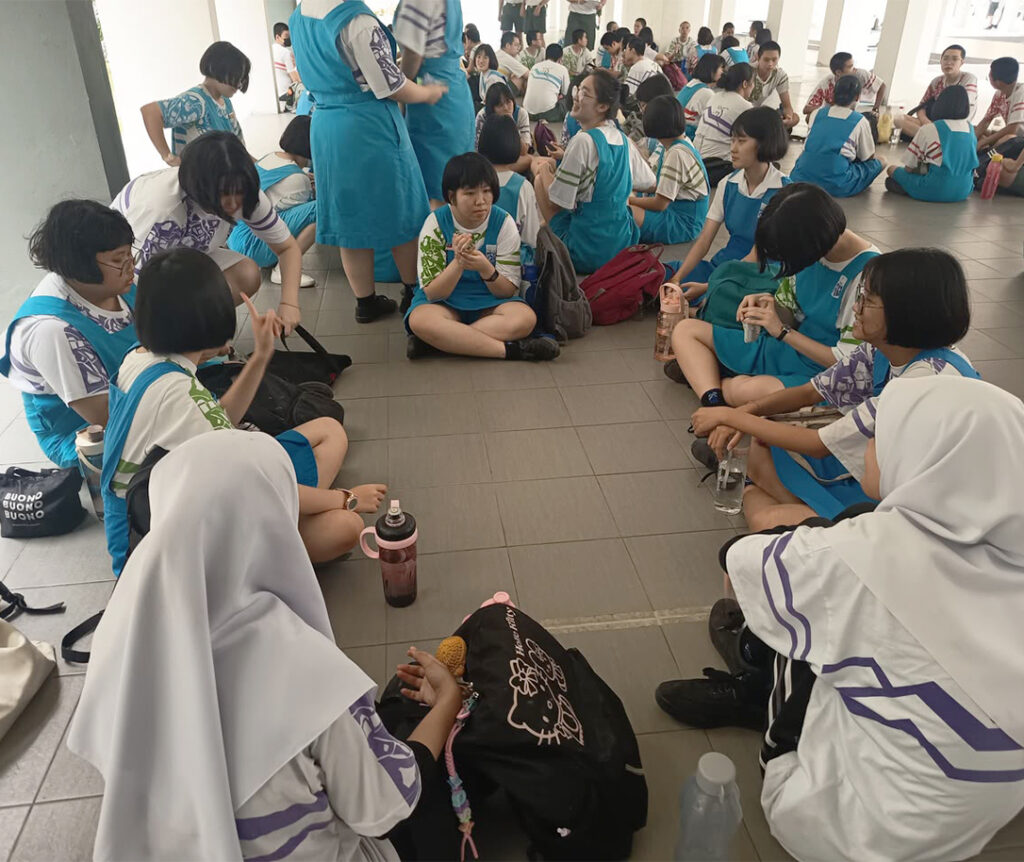
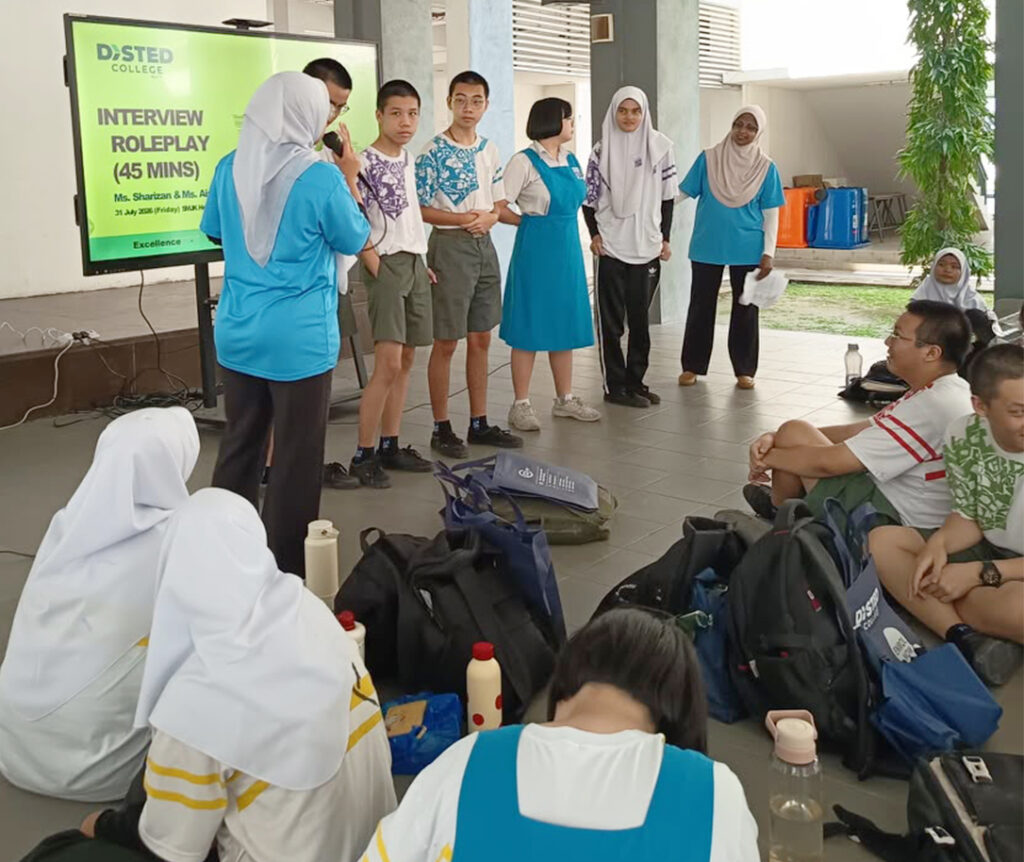
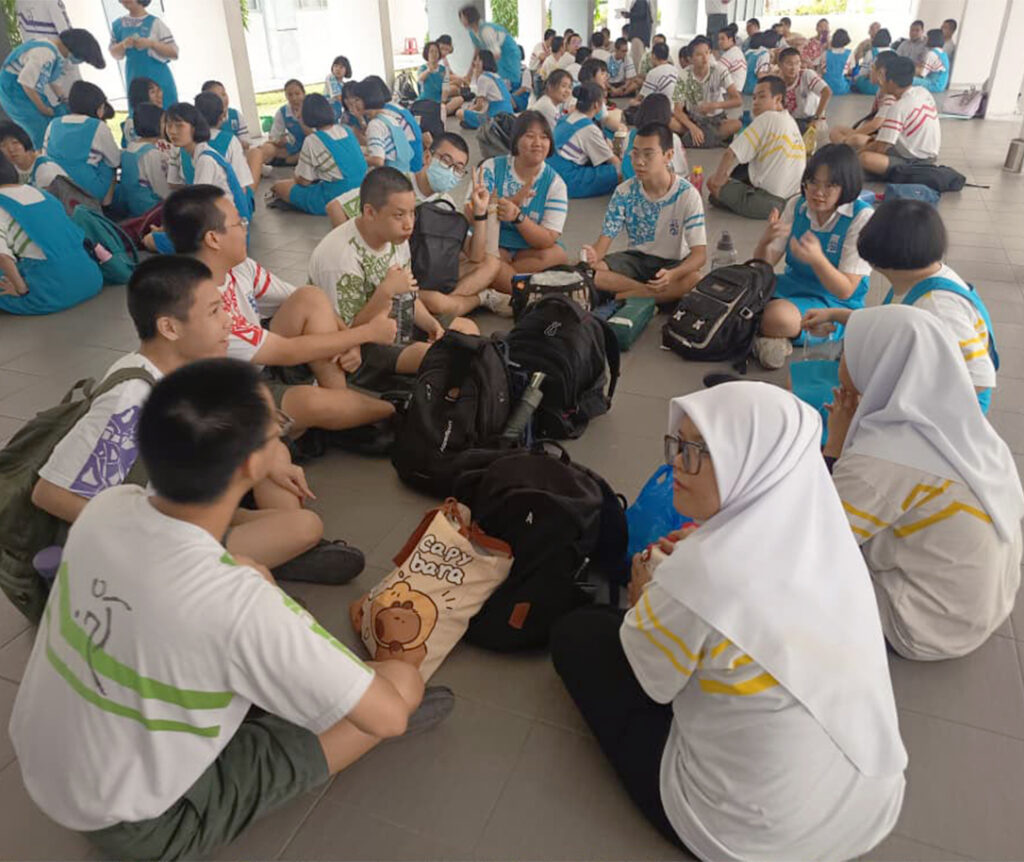
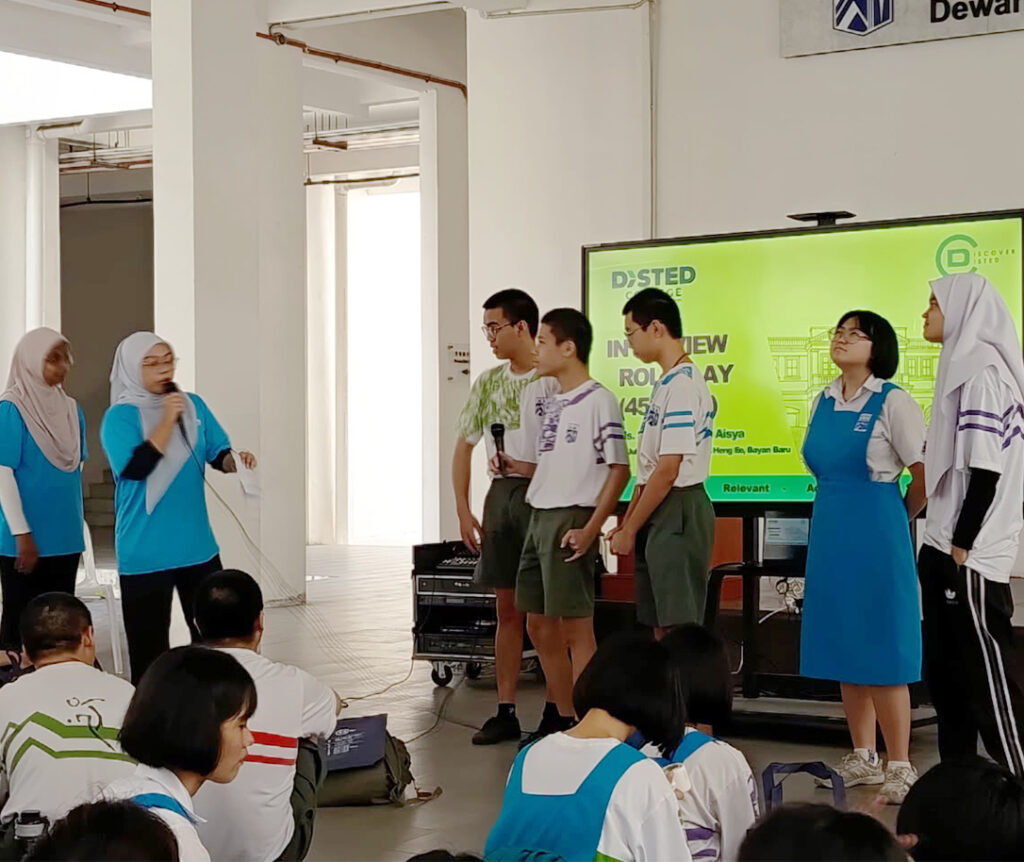
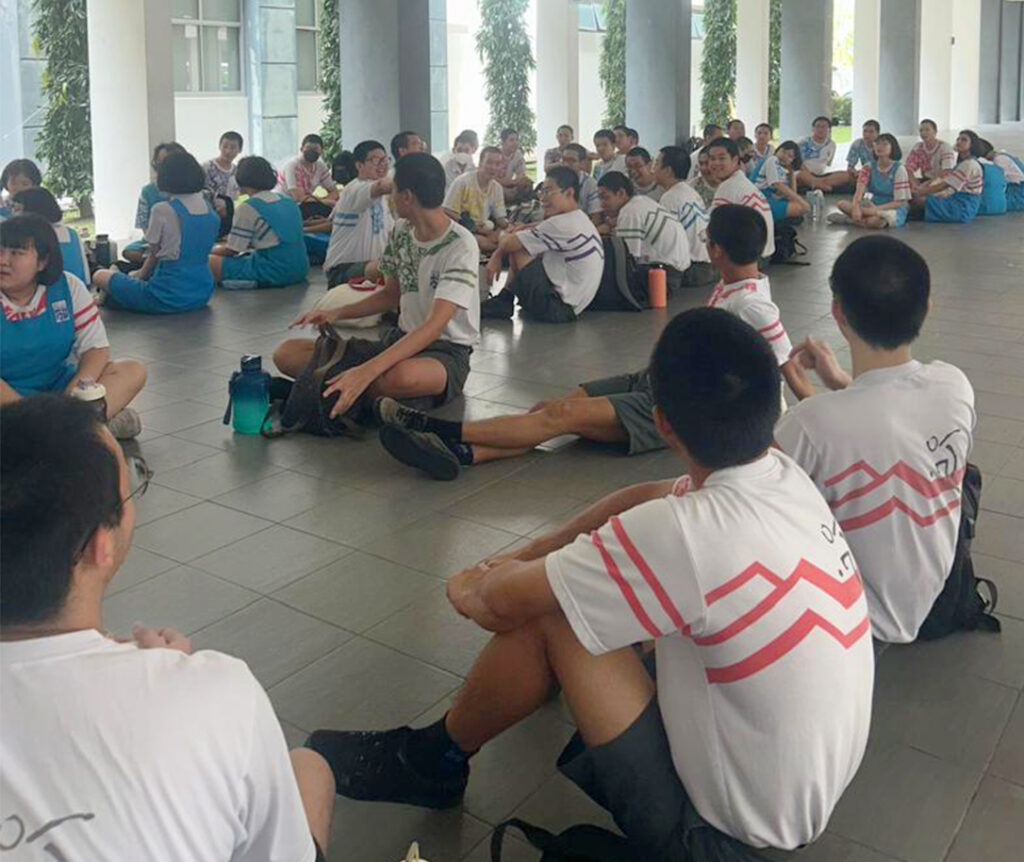
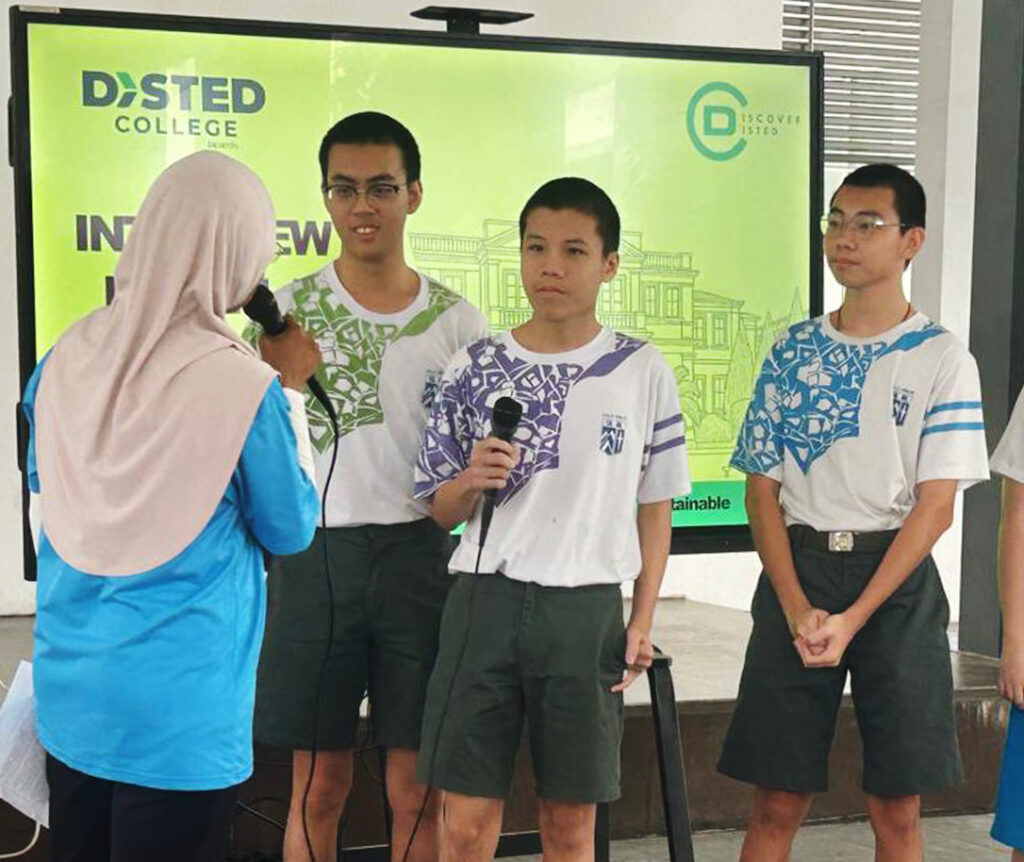
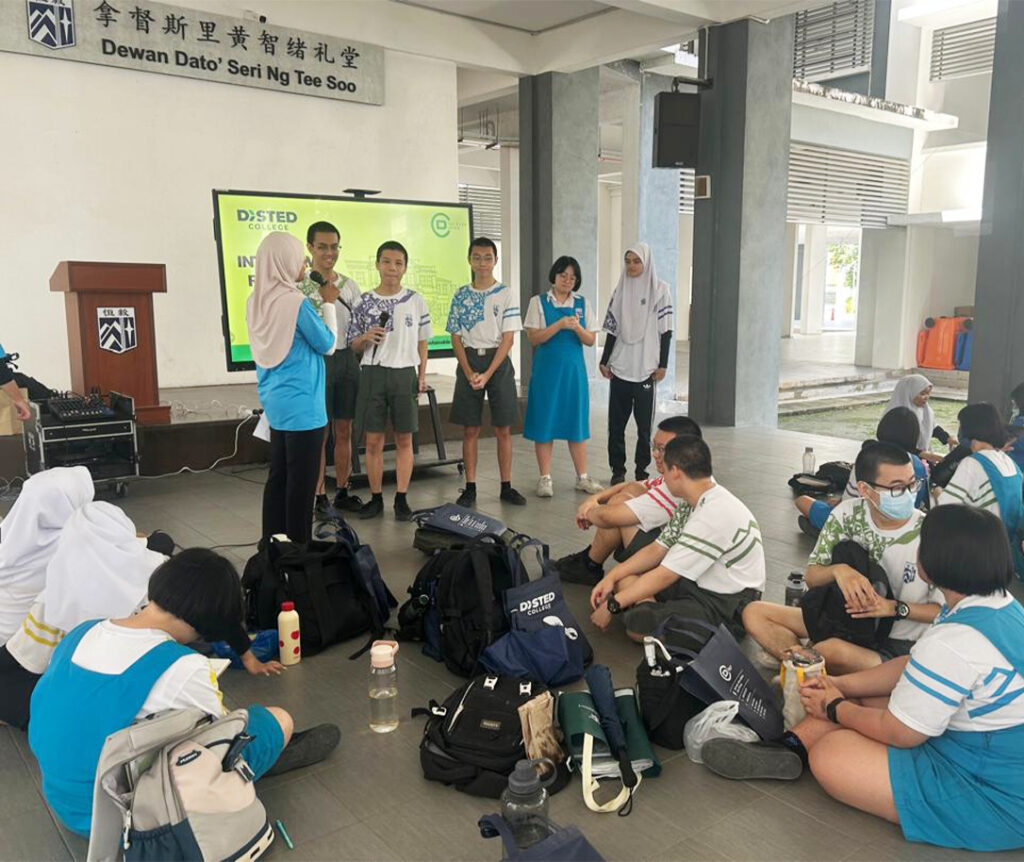
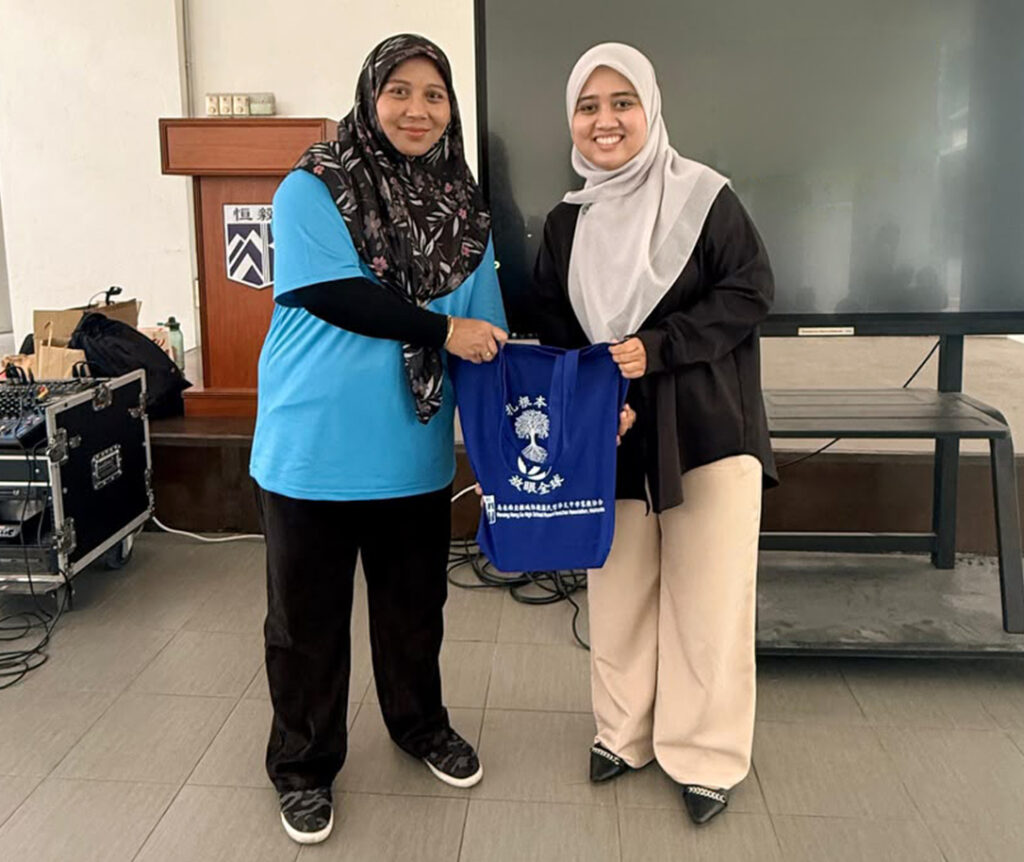
A meaningful Interview Workshop was conducted at SMJK Heng Ee, Bayan Baru on 31 July 2026 to equip Form 5 students with the knowledge, confidence, and skills needed to prepare for their next stage after SPM.
The programme introduced students to a range of post-SPM educational pathways, including Form Six, Matriculation, Foundation and Diploma programmes, as well as other pre-university options. Students were also given an overview of study opportunities available at DISTED College, enabling them to make more informed decisions about their future education.
A key component of the programme focused on developing effective interview skills. Students learned practical strategies to prepare before, during, and after interviews, particularly for scholarship applications and further studies. Topics covered included researching scholarship providers, preparing supporting documents, answering common interview questions, communicating confidently, and demonstrating positive body language.
The workshop also emphasised the importance of showcasing leadership qualities, teamwork, volunteer experiences, achievements, and future aspirations during interviews. To reinforce learning, students participated in interview roleplay sessions that provided valuable hands-on practice in a realistic setting.
In addition, sessions on professional grooming and grounding techniques helped students understand the importance of making a positive first impression and managing nervousness during interviews.
Overall, the programme provided students with practical preparation for scholarships, higher education opportunities, and future careers. More importantly, it encouraged them to approach the next chapter of their educational journey with greater confidence, readiness, and purpose.
Ugartini Magesvaran
Programme Lead, School of Communication, Arts and Multimedia
Bridging Theory and Practice: Insights into Working with Vulnerable Youth
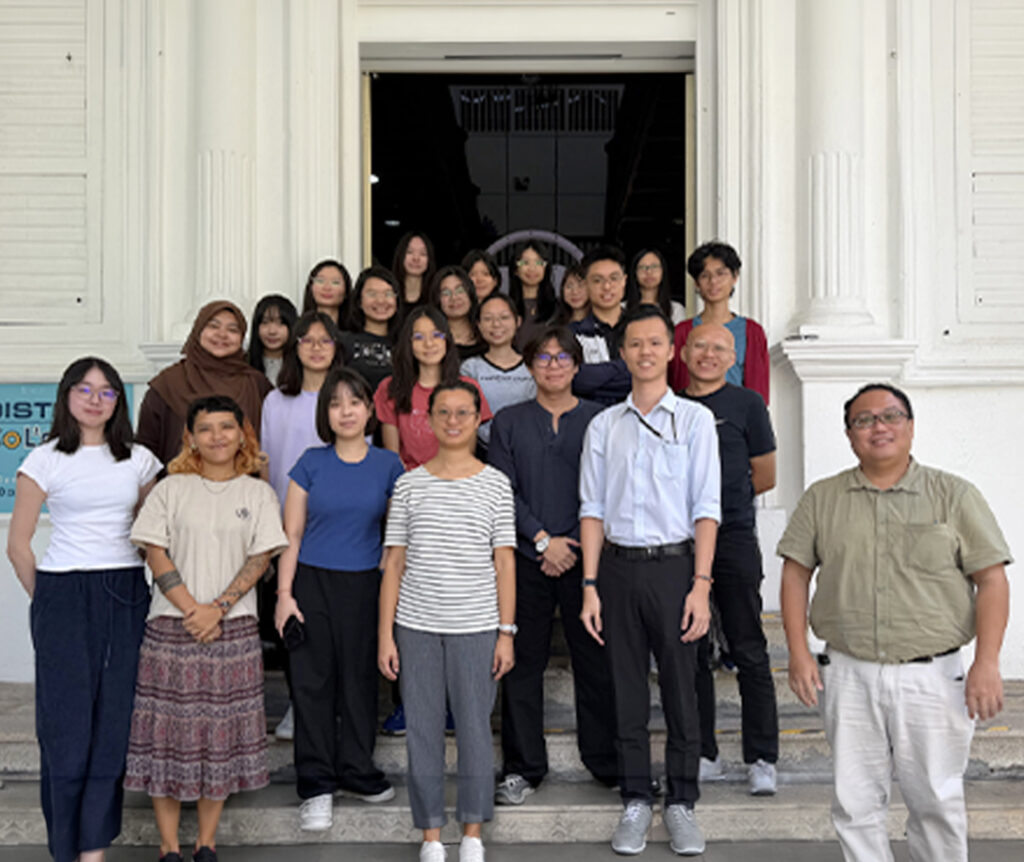
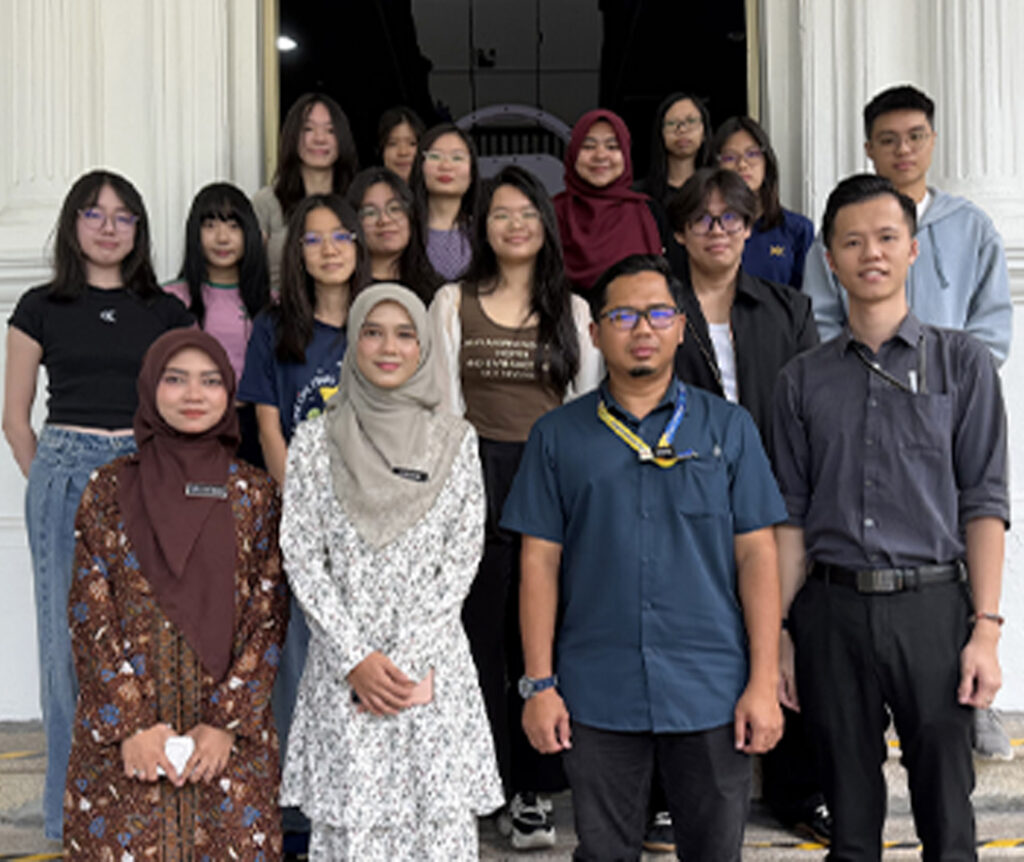
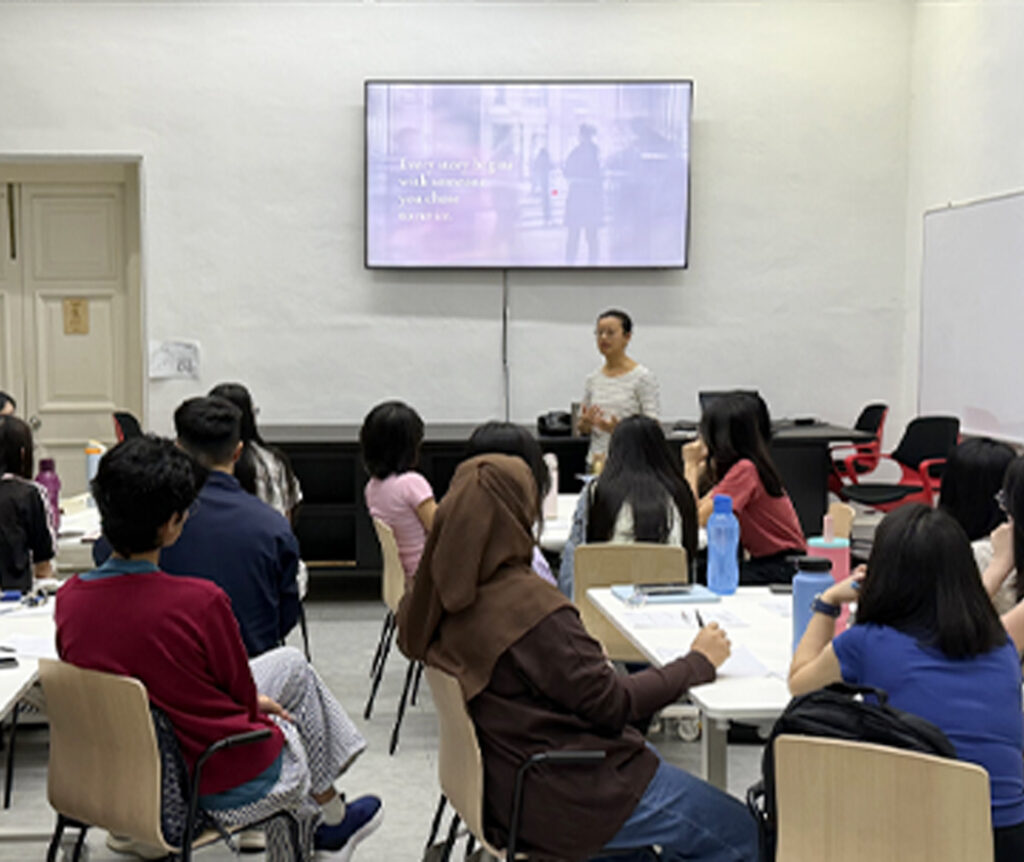
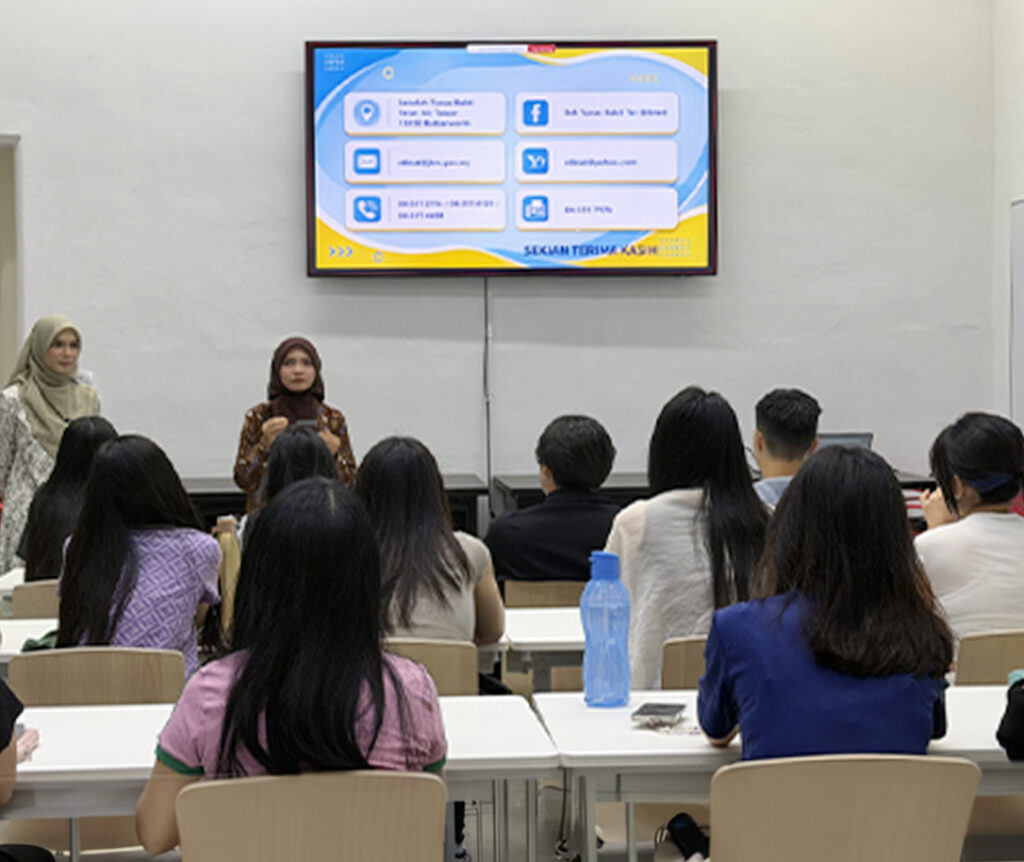
To enhance learning beyond the classroom, the School of Psychology at DISTED College recently organised two guest lectures for Bachelor of Psychology students taking PSY 312: Youth Work and Services. The sessions provided students with valuable opportunities to learn directly from practitioners working with vulnerable youth in the community.
The first lecture was delivered by Ms Ng Kai Lin, who shared her experiences supporting refugee communities through a national child helpline service. Drawing from her work with refugee youth, mothers, and children, she highlighted the social and psychological challenges faced by refugee families. Students gained a deeper understanding of the ethical and cultural considerations involved in providing support to individuals from diverse backgrounds. Ms Ng also introduced the Look, Listen, Adapt, Link framework, demonstrating how practitioners assess needs, communicate effectively, and connect individuals with appropriate services and resources.
The second lecture featured Encik Syafiq from Sekolah Tunas Bakti Telok Air Tawar, accompanied by interns Cik Nor Hayati and Cik Nur Syazwani. The speakers shared insights into rehabilitation programmes conducted for juveniles under the care of the Department of Social Welfare. They emphasised the importance of understanding family circumstances, building trust through meaningful engagement, and addressing the diverse educational and developmental needs of young people. Their experiences illustrated how rehabilitation focuses on helping youths develop the skills, confidence, and resilience needed for successful reintegration into society.
Together, the two sessions strengthened students’ understanding of youth work by connecting classroom theories with real-world practice. More importantly, they highlighted that effective support for vulnerable youth requires empathy, cultural sensitivity, collaboration, and a commitment to seeing the individual beyond their circumstances.
Tan Wei Jun
Lecturer, School of Psychology