Remarks from the President
Dear DISTED Community,
It has been another eye‑opening week at DISTED. We hosted an International Reception at Dish for our students from Myanmar, Thailand, Indonesia, China, Korea, India, and Japan, to learn more about how they are acclimating to life at DISTED and in Malaysia.
It was truly heartwarming to hear their individual stories about making new friends and adjusting to a new environment. More importantly, they have already immersed themselves in student activities and their academic programmes.
I also applaud the bravery and pioneering spirit of our international students, who have travelled far from their homes to join DISTED in Penang. During their time here, we hope to nurture their independence and maturity, and to develop their capacity for independent thought.
President
Dato’ Dr (h.c) Lim Si Boon
Behind the Screens: Raising Awareness on Cyberbullying, Cyberstalking, and Mental Health
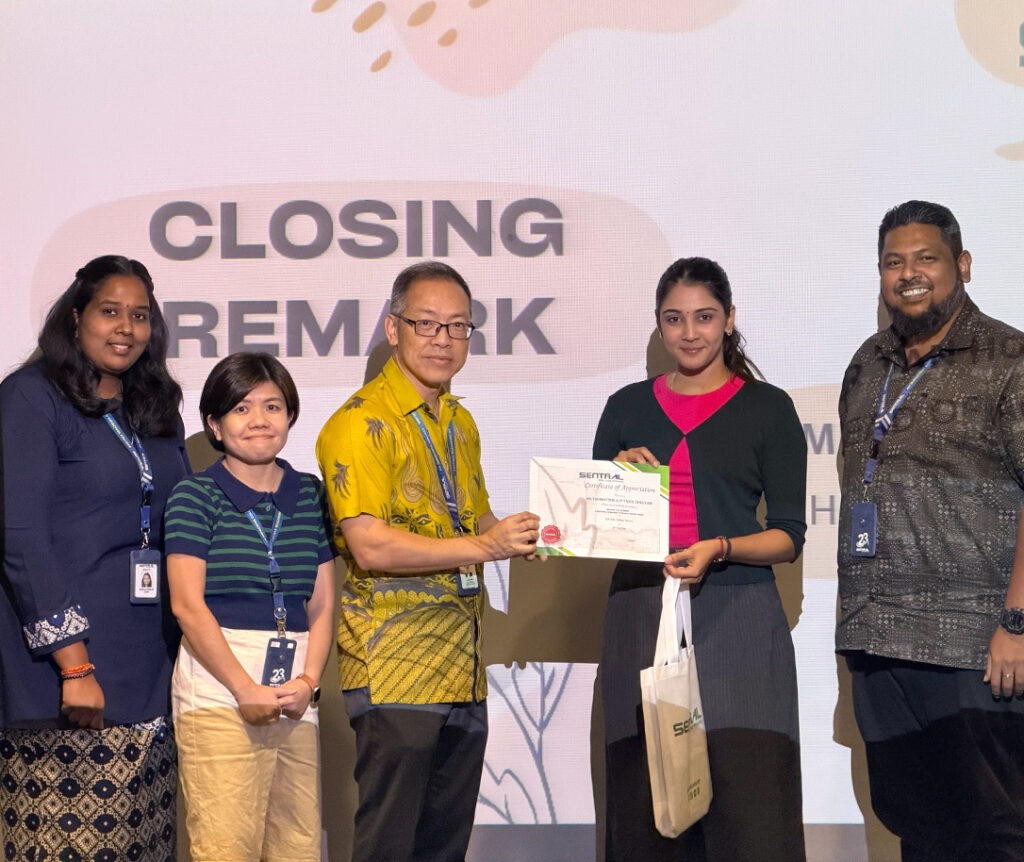
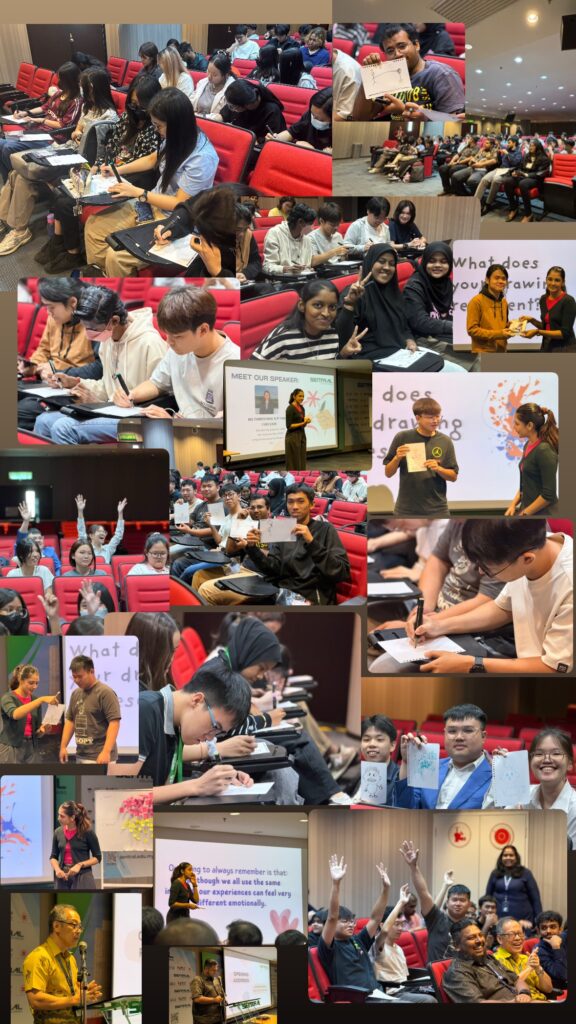
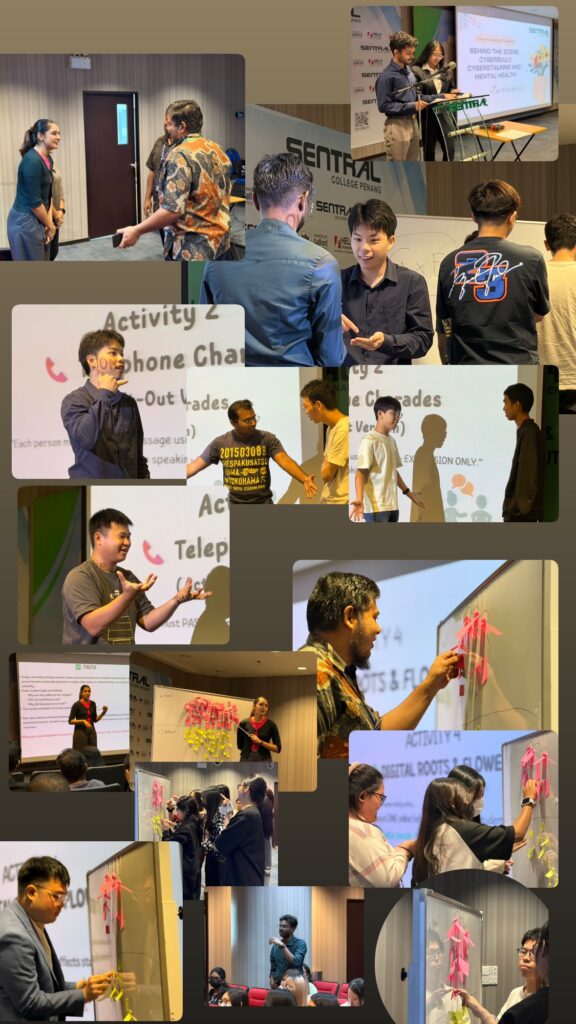
An invitation to serve as a guest speaker at SENTRAL College Penang provided a valuable opportunity to conduct a session titled “Behind the Screens: Cyberbullying, Cyberstalking, and Mental Health.” The programme brought together students from various academic disciplines to explore the growing concerns surrounding online behaviour and its impact on mental well-being.
During the two-hour session, students examined issues related to cyberbullying, cyberstalking, and other forms of digital abuse while gaining a deeper understanding of their psychological and emotional consequences. The discussion also highlighted the importance of responsible digital citizenship, empathy, and respectful online interactions in an increasingly connected world.
Rather than adopting a traditional lecture format, the session incorporated interactive activities and open discussions that encouraged active student participation. Students engaged enthusiastically by sharing observations, asking thoughtful questions, and contributing valuable perspectives based on their own experiences and understanding of digital environments.
One of the highlights of the programme was witnessing students connect the topics discussed with real-world situations. Their willingness to reflect on online behaviour and mental health created a positive and meaningful learning experience. The presence of the Head and Principal of SENTRAL College further demonstrated the institution’s commitment to student well-being and mental health awareness.
The experience reinforced the importance of mental health advocacy and psychoeducation within educational settings. It served as a reminder that impactful learning takes place when students are encouraged to engage, reflect, and participate actively in discussions.
Special appreciation is extended to Ms Navitha Gunalan for the invitation, excellent organisation, and warm hospitality. The programme was both enriching and rewarding, and it is hoped that similar initiatives will continue to promote mental health awareness and responsible digital engagement among students.
Thiresyinie A/P Tamil Chelvam
Lecturer, School of Psychology, DISTED College
Educational Visit to Penang History Gallery Inspires Students
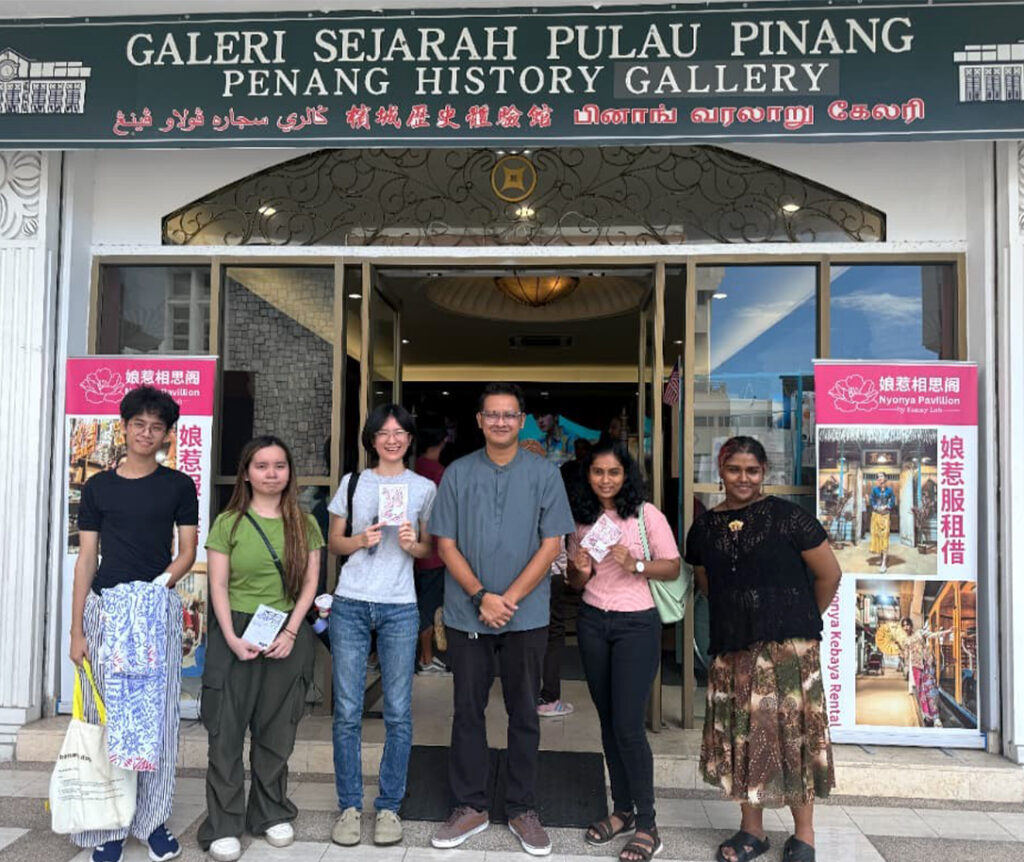
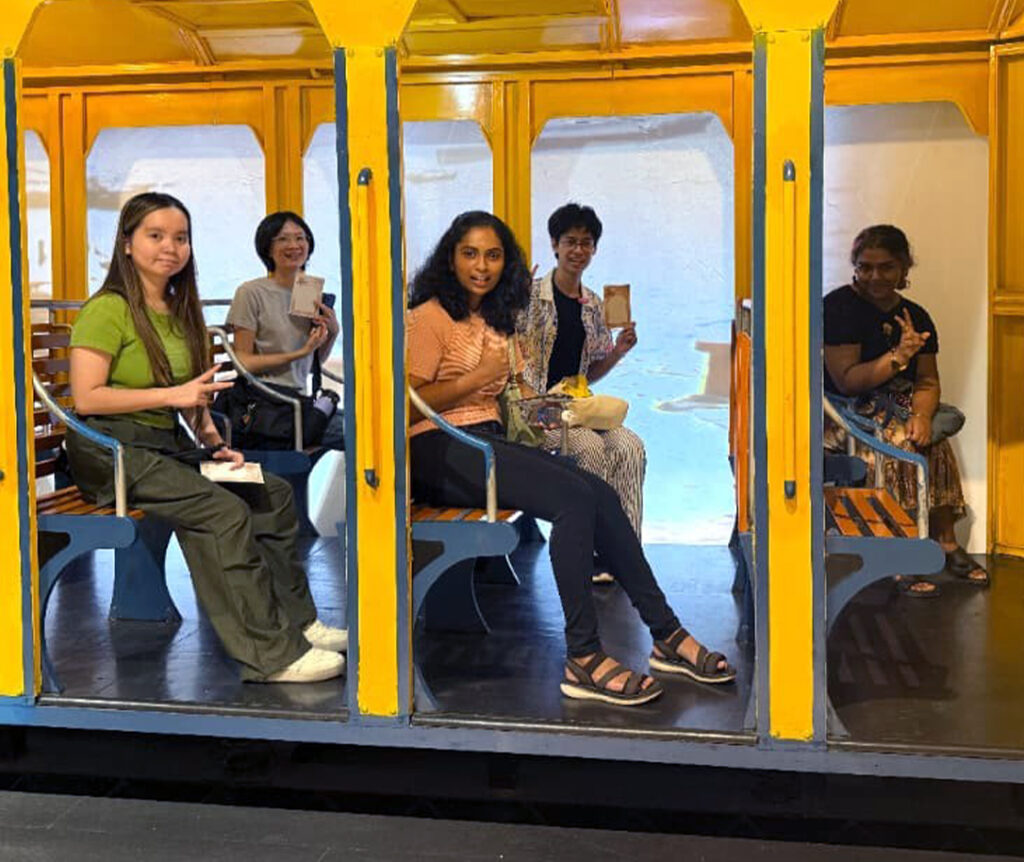
George Town, Penang – Students from MPU Studies at DISTED College recently embarked on an educational visit to the Penang History Gallery as part of their continuous assessment activities. The visit was designed to enhance classroom learning by providing students with a deeper appreciation of Penang’s rich historical and cultural heritage through a hands-on and interactive experience.
During the visit, students explored a wide range of exhibits showcasing Penang’s historical development, from its early settlements and multicultural communities to notable landmarks and pivotal events that have shaped the state’s identity. The gallery offered valuable insights into the diverse influences that have contributed to Penang’s unique heritage and cultural landscape.
Beyond acquiring historical knowledge, students were encouraged to engage actively with the exhibits through observation exercises and group discussions. These activities promoted critical thinking, teamwork, and analytical skills while helping students connect historical events with contemporary societal issues.
The educational experience also strengthened students’ understanding of national identity, cultural diversity, and the importance of preserving local heritage for future generations. Exposure to real-world learning environments enabled students to appreciate history beyond textbooks and gain a more meaningful perspective on the role of heritage in shaping communities.
The visit reflects DISTED College’s commitment to experiential learning, where academic knowledge is complemented by practical exposure and active engagement. Through such initiatives, the College continues to nurture well-rounded graduates who are informed, socially responsible, and culturally aware, equipping them with the skills and perspectives needed to thrive in an increasingly interconnected world.
Ugartini Magesvaran
Programme Lead, School of Communication, Arts and Multimedia
Welcoming Our International Students
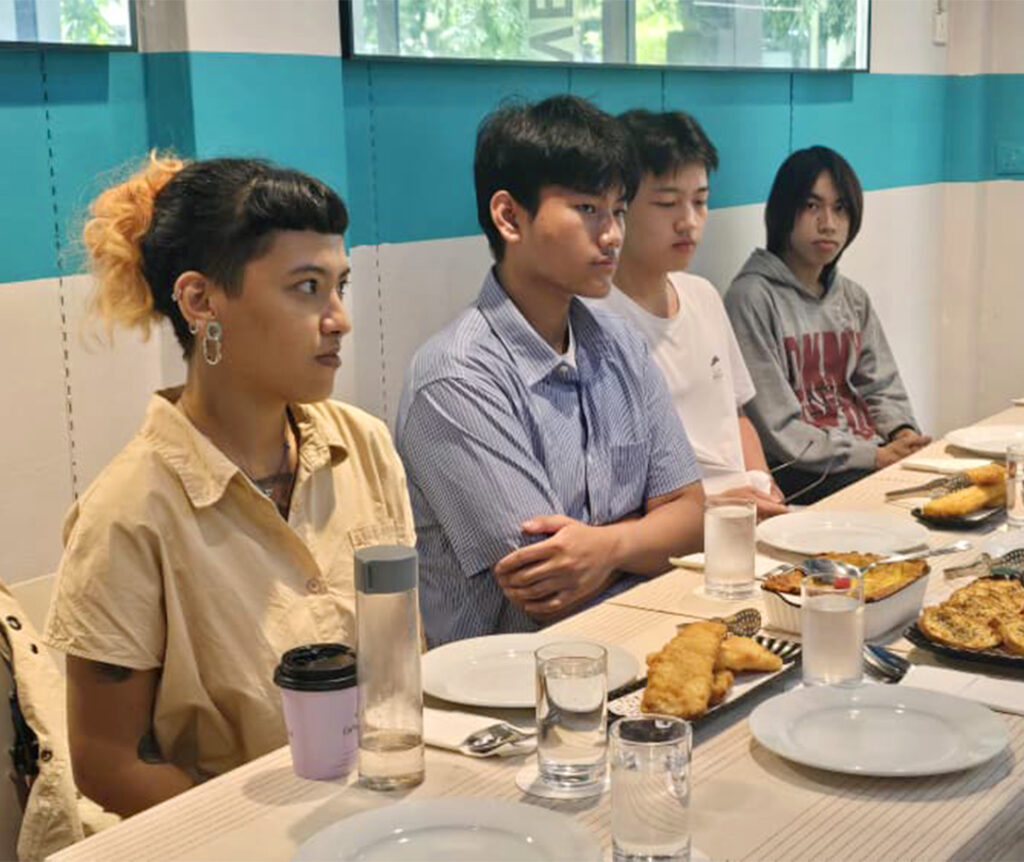
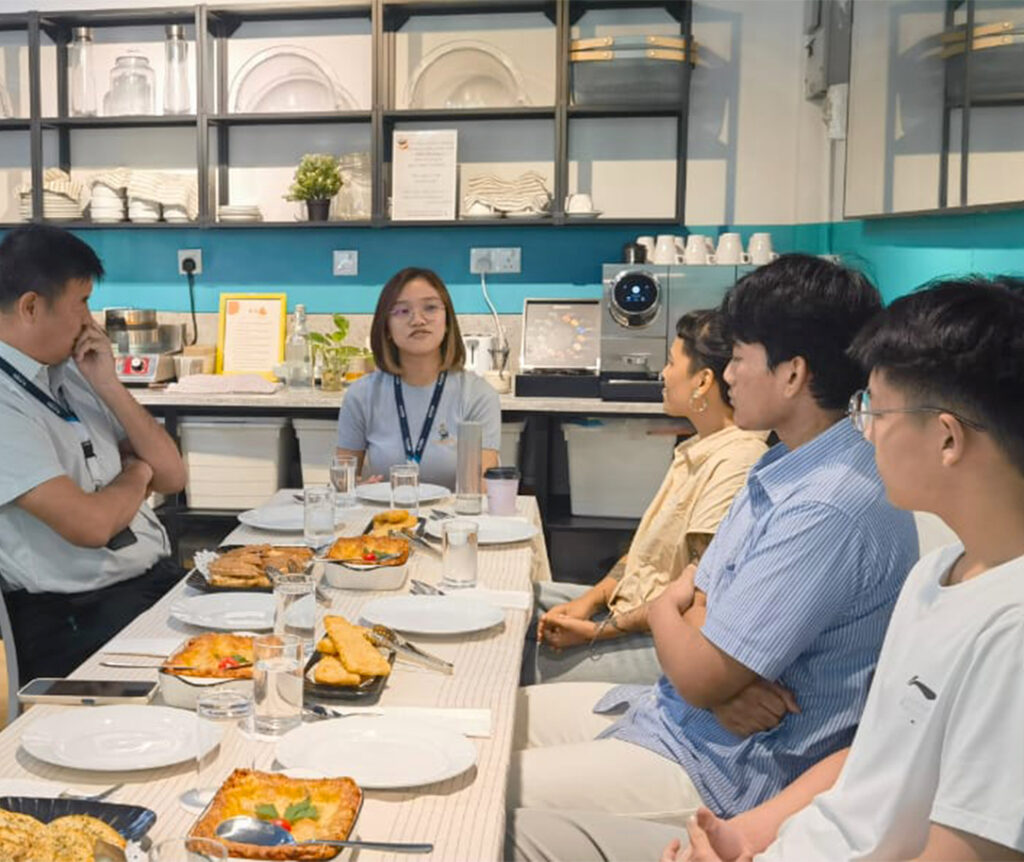
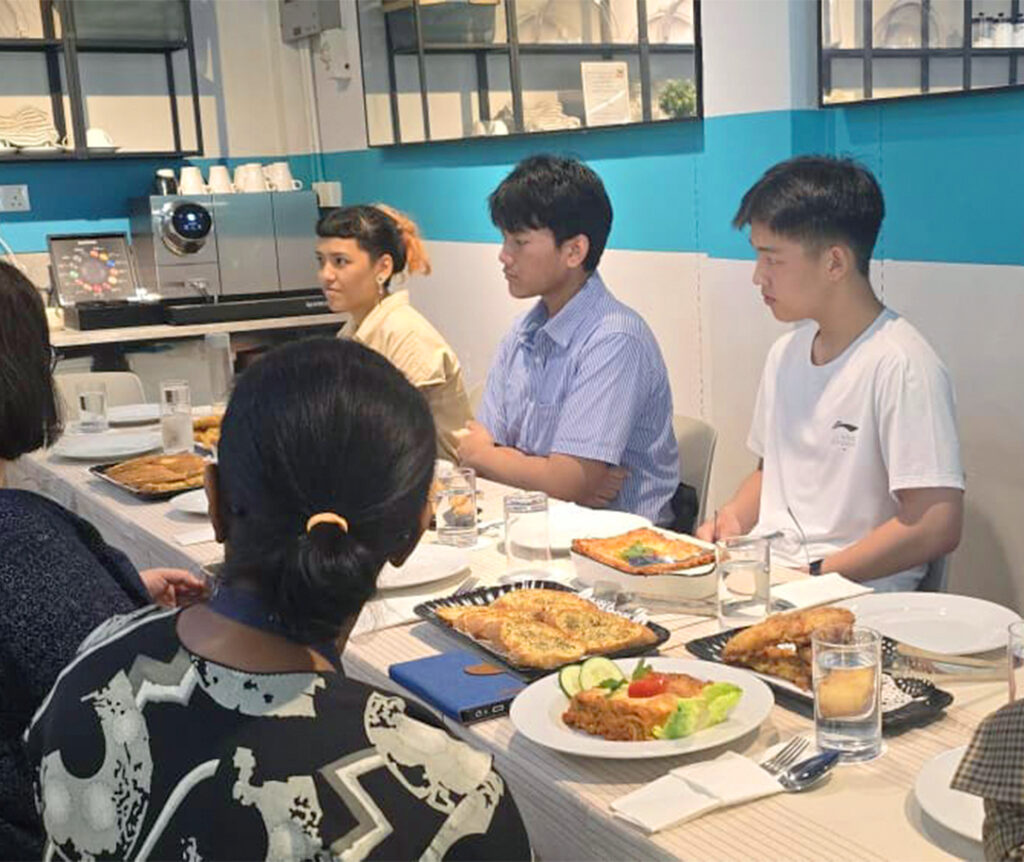
On 22 July 2026, the President’s Office hosted a casual luncheon with DISTED College’s international students, providing an opportunity to welcome students from diverse backgrounds and gain valuable insights into their experiences on campus. Although some Diploma and Foundation students were unable to attend due to examination commitments, the gathering was filled with meaningful conversations and positive engagement.
The session commenced with welcoming remarks by Dato’ Lim, followed by introductions between staff and students. The relaxed setting encouraged open dialogue, allowing international students to share feedback and suggestions on how DISTED can continue enhancing its support services and student experience.
The International Student Office plays a key role in ensuring a smooth and enriching journey for international students, offering support in areas such as admissions, visa and immigration matters, orientation programmes, student welfare, academic guidance, cultural engagement, and graduation services. These efforts contribute to a supportive and inclusive learning environment while ensuring compliance with Ministry of Higher Education requirements.
DISTED has experienced steady growth in international student enrolment over the years. In 2026, the College welcomed students from Myanmar, Indonesia, China, Korea, Japan, Thailand, the United States, and Vietnam, further strengthening the diversity and global outlook of the campus community.
Feedback from students was overwhelmingly positive. Many highlighted the strong academic support provided by lecturers and staff, as well as the welcoming atmosphere and friendships formed with classmates from different backgrounds.
The luncheon concluded on a sweet note with a mousse dessert specially prepared by Chef Chan, followed by a memorable group photograph. Dato’ Lim also shared plans for a future gathering later in the year, creating more opportunities for new and existing international students to connect and strengthen DISTED’s growing international community.
Amutha Aruvi Kaniamuthan
International Student Office
Using Scaffolding in Teaching Cambridge International A Level Economics (9708)
Scaffolding has become an integral part of teaching Cambridge International A Level Economics (9708), supporting students in developing the higher-order thinking skills required to excel in examinations. While many students demonstrate a sound understanding of economic concepts, they often face challenges when analysing issues critically and providing balanced evaluations in their written responses.
This teaching approach is informed by Vygotsky’s (1978) concept of the Zone of Proximal Development (ZPD), which emphasises the importance of providing appropriate support as students learn new skills and concepts. Through structured guidance, students are able to tackle tasks that may initially be beyond their independent abilities before gradually developing confidence and mastery.
In Economics lessons, scaffolding was implemented through guided questioning, discussion prompts, writing frameworks, and model answers. For example, when teaching government intervention to address market failure, students were guided through key concepts and encouraged to apply economic theories to real-world situations. Similarly, when introducing essay writing, students were shown how to construct clear arguments, apply relevant economic theories, and develop balanced evaluations that meet examination requirements.
As students became increasingly familiar with the analytical and evaluative demands of Cambridge A Level Economics, the level of support was gradually reduced. This gradual release of responsibility enabled students to become more independent learners while strengthening their confidence in answering examination questions effectively.
By incorporating scaffolding into classroom practice, students are better equipped to develop critical thinking, analytical reasoning, and evaluative skills, preparing them not only for examination success but also for lifelong learning.
Reference
Vygotsky, L. S. (1978). Mind in Society: The Development of Higher Psychological Processes. Harvard University Press.
Tan Sue Lin
Lecturer, School of Business and Hospitality
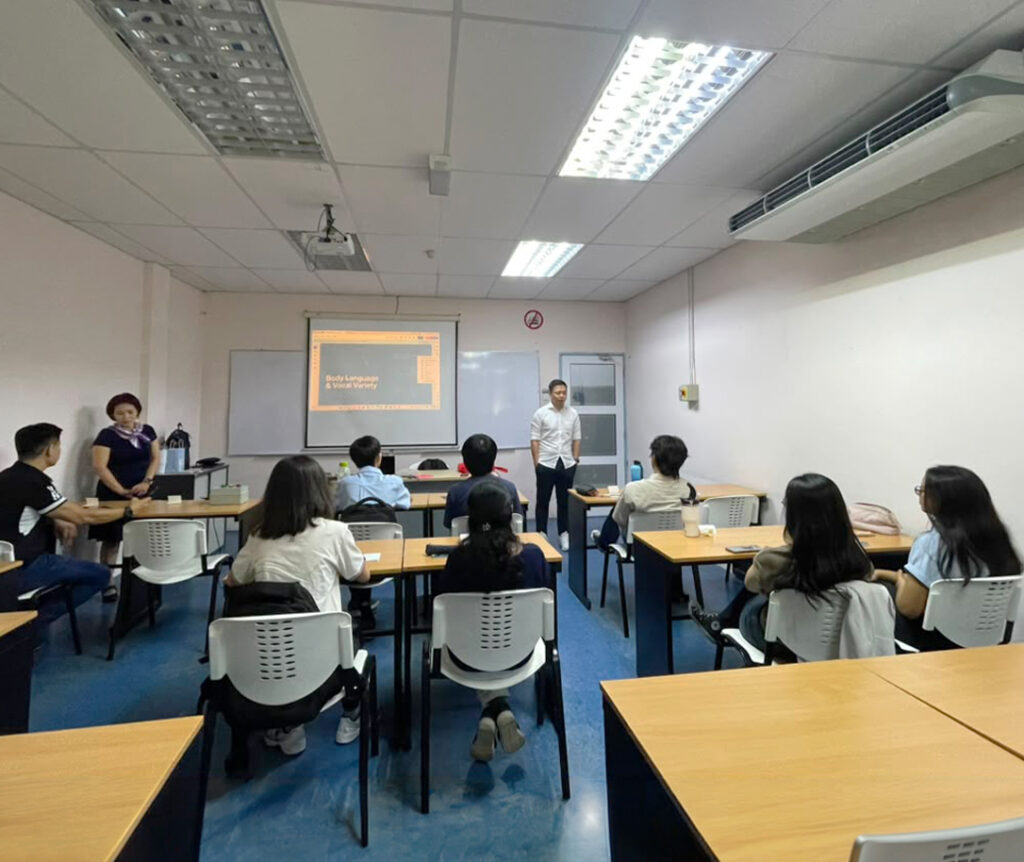
Speechcraft Session 2: Enhancing Communication Through Body Language and Vocal Variety
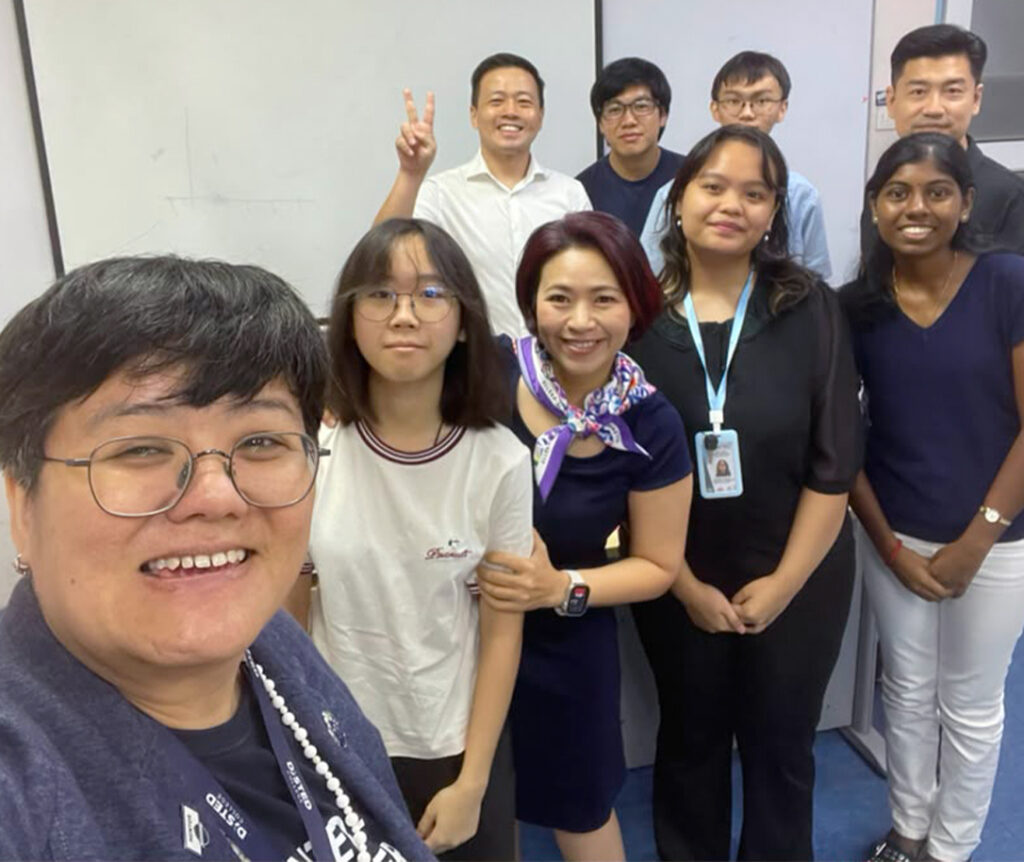
Speechcraft Session 2 at DISTED College provided students with valuable insights into two essential components of effective public speaking: body language and vocal variety.
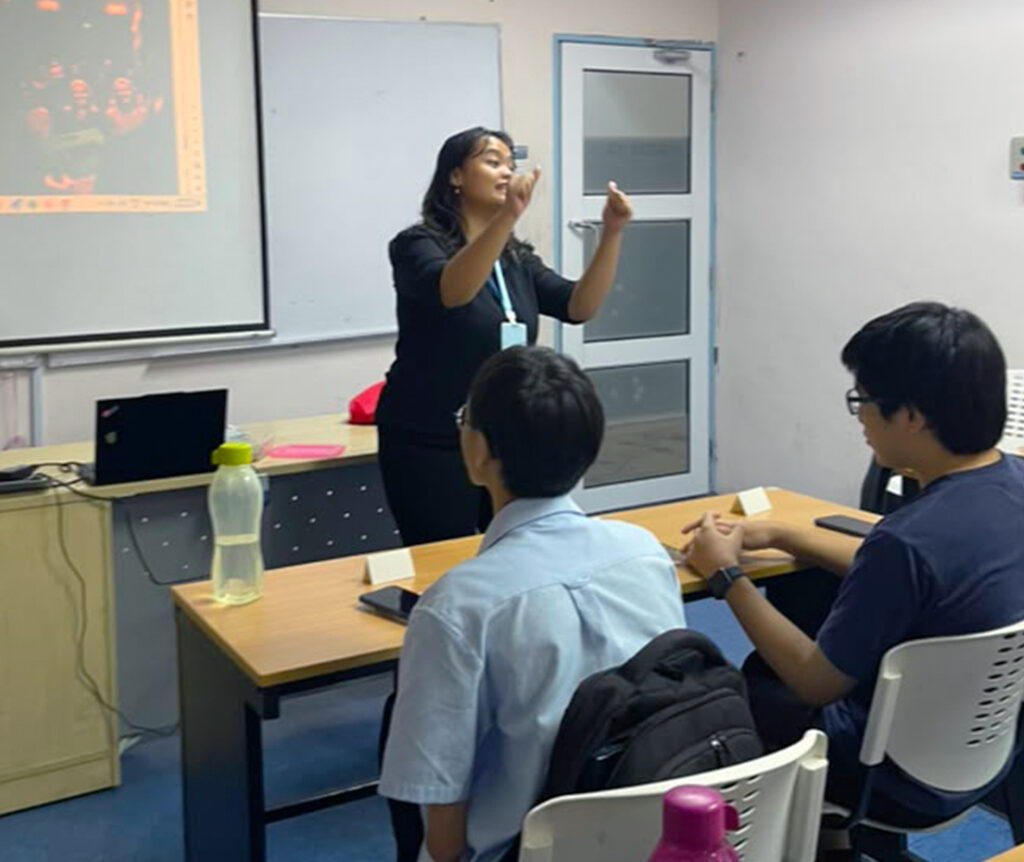
The session featured Ms Winnie Leong, a senior member of the Great2B Toastmasters Club and finalist in the District 51 International Speech Contest 2024. Drawing on her extensive speaking experience, Ms Winnie shared practical techniques that help speakers engage audiences and deliver messages with greater impact and confidence.
During the session, students explored three key aspects of body language: gestures, facial expressions, and movement. Through engaging demonstrations, Ms Winnie compared the effectiveness of speakers who actively use body language with those who remain stationary, enabling students to observe firsthand how non-verbal communication strengthens audience engagement and message delivery.
The session also focused on vocal variety, highlighting four important elements: speed, pitch, volume, and pauses. Using simple yet impactful examples, Ms Winnie demonstrated how varying vocal delivery can alter the meaning and emotional impact of a message. Students gained a deeper understanding of how voice can be used as a powerful communication tool.
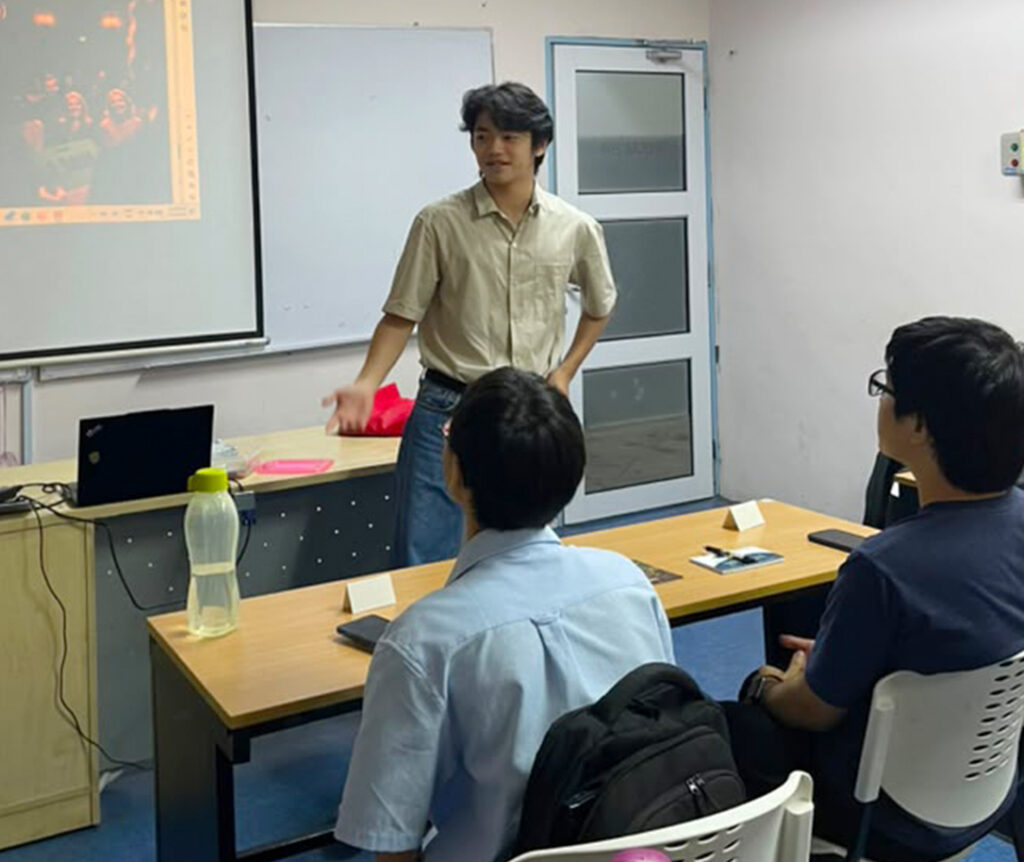
To put theory into practice, students stepped outside their comfort zones by delivering short one-minute speeches, applying both body language and vocal variety techniques. The interactive exercises created an encouraging environment where students could build confidence and strengthen their presentation skills.
Following the workshop, Mr E.K. Khor conducted an energetic Table Topics session, challenging students to respond to impromptu questions while incorporating the skills they had just learned. Despite the added challenge, students participated enthusiastically and demonstrated a strong willingness to learn and improve.
As the Speechcraft programme reaches its halfway point, students now look forward to learning the art of effective evaluations and constructive feedback in the upcoming session.
Jessica Ang
Registrar