
Remarks from the President
Dear DISTED Community,
As we emerge from our assessment and examination phase, we now progress to more student led activities in DISTED. This is the time when our students put their ideas into motion. This issue of DISTED Discourse will share with you how our students demonstrated their vision, plans and execution of Projects and Activities.
President
Dato’ Dr (h.c) Lim Si Boon
Understanding Hope Behind Juvenile Walls
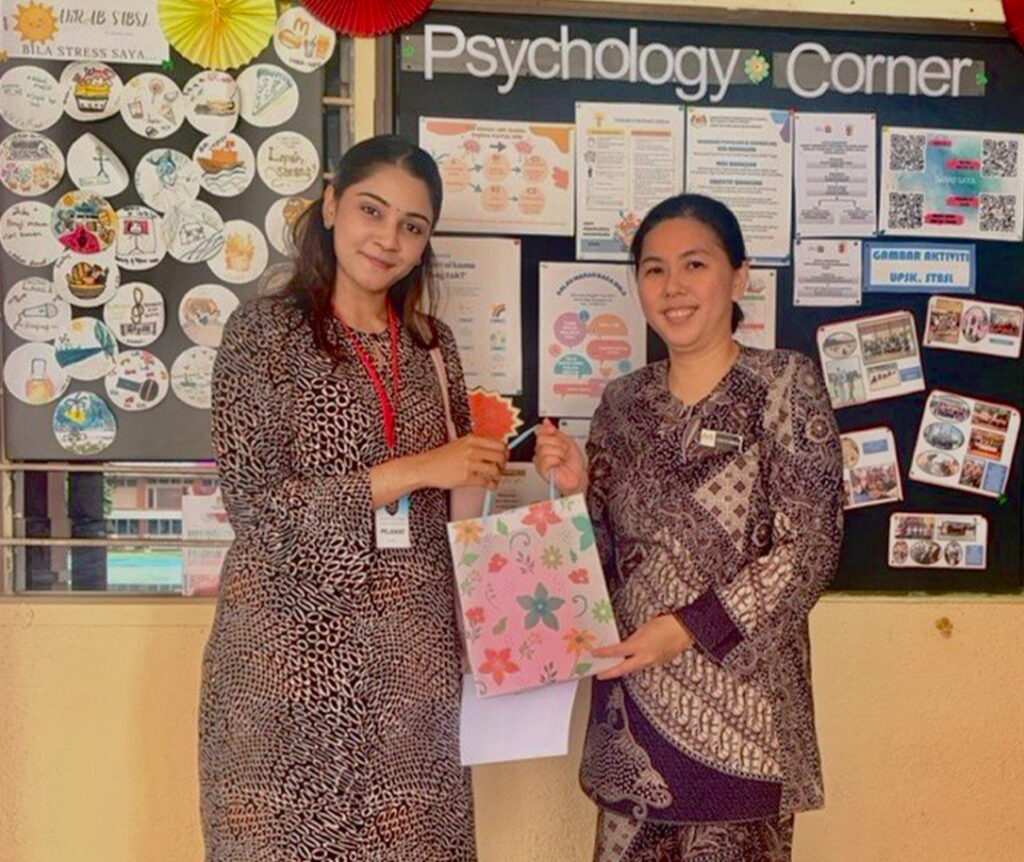
In May 2026, I was given the meaningful opportunity to visit several juvenile rehabilitation schools across Malaysia as part of my PhD research journey. These visits were not merely academic requirements, but deeply eye-opening experiences that strengthened my perspective as a psychology lecturer, educator, and researcher.
Throughout the visits, I had the opportunity to explore four juvenile institutions: Sekolah Tunas Bakti Sungai Besi, Sekolah Tunas Bakti Telok Air Tawar, Sekolah Tunas Bakti Sungai Lereh, and Sekolah Tunas Bakti Jerantut (P). My research focuses on the readiness of incarcerated adolescents to face the outside world after rehabilitation. Engaging with counsellors, educators, and rehabilitation officers provided invaluable insights into the emotional, behavioural, and social challenges experienced by these young individuals.
One of the most impactful aspects was the opportunity to engage in meaningful discussions with counsellors who work closely with these adolescents daily. Their dedication, patience, and unwavering commitment to supporting rehabilitation efforts were truly inspiring. Many of these youths are often misunderstood and labelled negatively; however, behind these labels are stories of trauma, neglect, broken family systems, and limited emotional support.
This experience reaffirmed that rehabilitation extends beyond discipline. It requires empathy, structured guidance, and opportunities for personal growth. As an educator in psychology, it reinforced the importance of preparing incarcerated adolescents both psychologically and socially before reintegration into society.
Overall, this journey has deepened my passion for advocating mental health awareness, rehabilitation support, and second chances for vulnerable youths within juvenile institutions in Malaysia.
Thiresyinie A/P Tamil Chelvam
Lecturer, School of Psychology, DISTED College
From a Zoo Field Trip Experience to Marketing Brand Creation
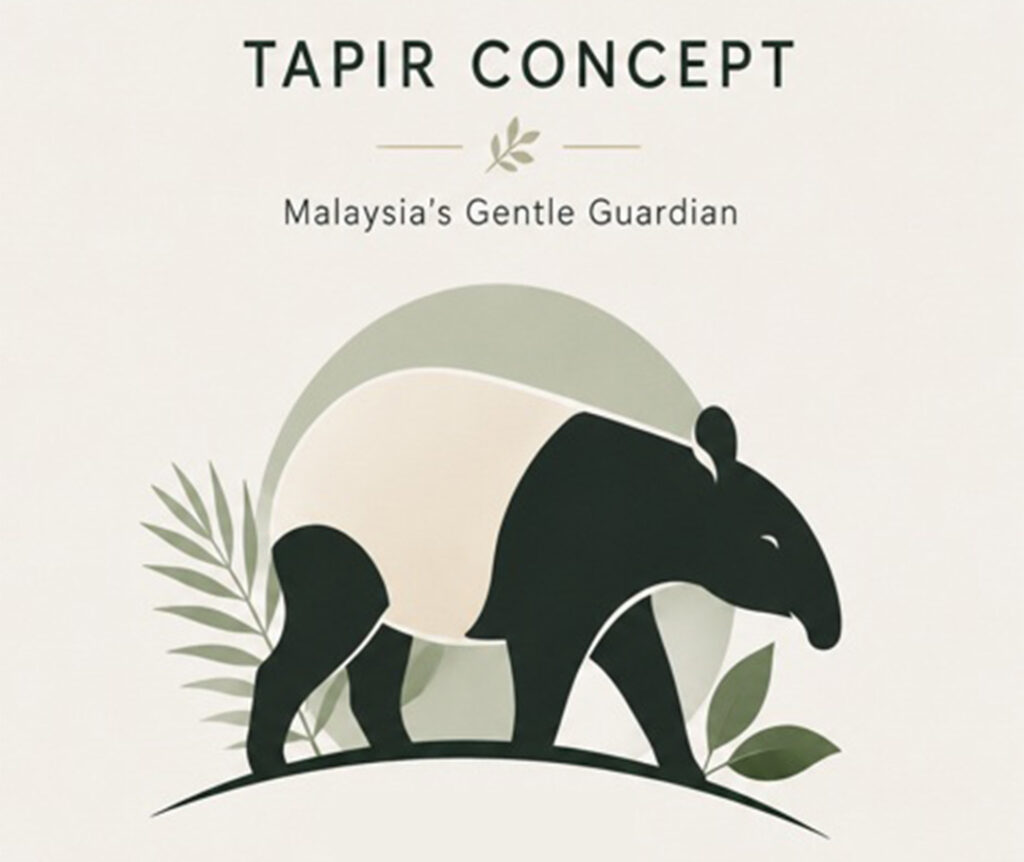

Following an enriching field trip to Taiping Zoo in May, Diploma in Business Studies (DBS) students from the International Marketing class transformed their observations into innovative branding concepts for their assignment. Tasked with creating “Visit Malaysia 2027” national animal logos, students explored how local wildlife could be reimagined to attract global audiences.
One standout concept was The Malayan Tapir: The Premium Minimalist, developed by students Rikrith and Jonas. Drawing inspiration from observing tapirs up close, they created a distinctive black-and-white logo featuring smooth curves and balanced forms. The design emphasised minimalism and elegance, positioning Malaysia as a refined and premium eco-tourism destination while highlighting the uniqueness of the Malayan tapir.
Another notable concept was The Batik Tiger Campaign by Yuen Yee and Shri. This design integrated intricate batik patterns into the Malayan tiger, blending cultural heritage with contemporary visual storytelling. The tiger, portrayed confidently within a forest setting, symbolised strength, resilience, and national identity. The concept not only promoted wildlife conservation awareness but also positioned Malaysia as a destination for adventurous and culturally rich tourism experiences.
Overall, the Taiping Zoo field trip highlighted the value of experiential learning in marketing education. Observing animals in their naturalistic environments allowed students to better visualise concepts and translate ideas into compelling brand narratives. The outcome demonstrated how real-world exposure can inspire originality, creativity, and meaningful marketing solutions.
Yee Tianle
Programme Lead, School of Business and Hospitality
From Data to Insight: Empowering Business Students with Essential Digital Skills


At DISTED College, data processing concepts are taught to non-IT students through the IT in Business subject, with a strong emphasis on practical application within business environments. Recognising that many students come from non-technical backgrounds, the teaching approach prioritises clarity, simplicity, and real-world relevance, ensuring that key concepts are accessible and meaningful. The focus is not on complex technical theory, but on helping students understand how data can be organised, analysed, and interpreted to support business operations.
Hands-on learning forms the core of the teaching methodology. Students gain practical experience using tools such as Microsoft Excel and Microsoft Access to manage and process data effectively. In addition, real-world datasets sourced from platforms such as Kaggle, Data.gov, and the World Bank are integrated into classroom activities. This exposure allows students to connect theory to practice, enhancing both engagement and understanding.
Through these learning experiences, students develop essential competencies, including using basic data functions, organising datasets efficiently, and extracting meaningful insights. They learn to identify trends, make comparisons, and present findings in a clear and structured manner. More importantly, they begin to appreciate how data informs business decision-making processes.
Overall, the subject equips non-IT students with valuable digital skills, builds confidence in handling data, and prepares them for both academic success and future careers. By focusing on practical applications, students are better positioned to succeed in an increasingly data-driven business landscape.
Nanthini Pattabiraman
Lecturer, School of Computing & Engineering
A Visit to MUNI: Nature’s Footprint in the City
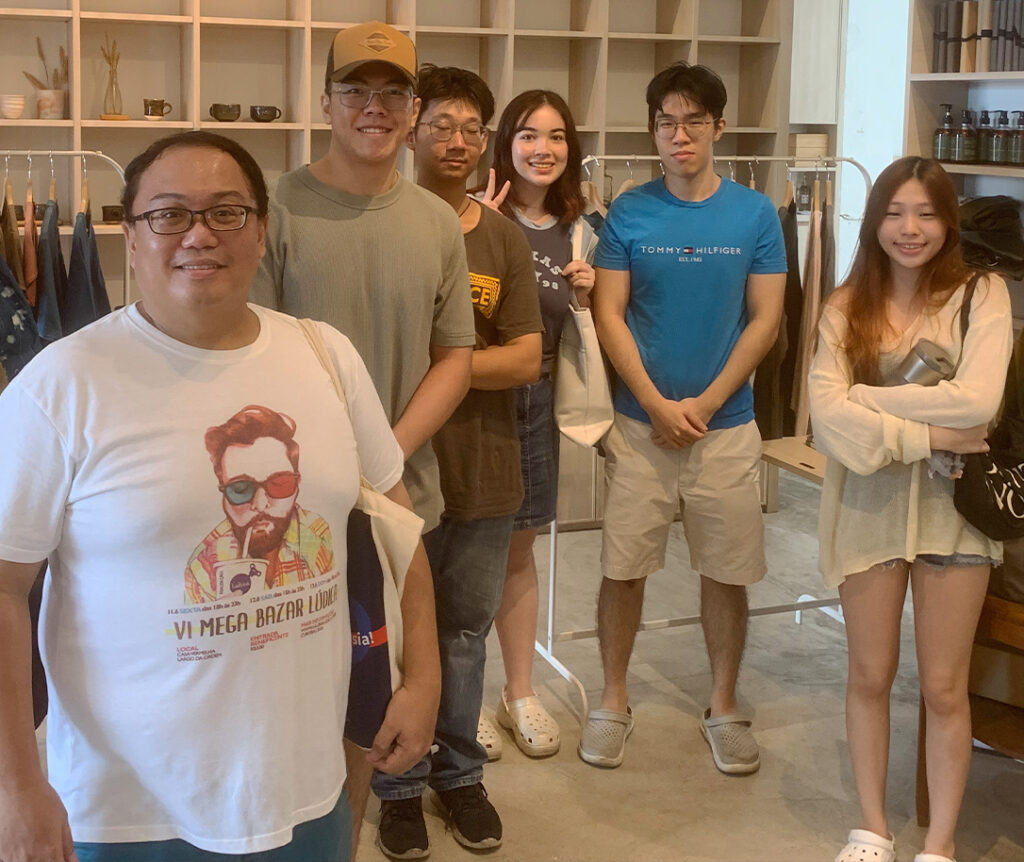
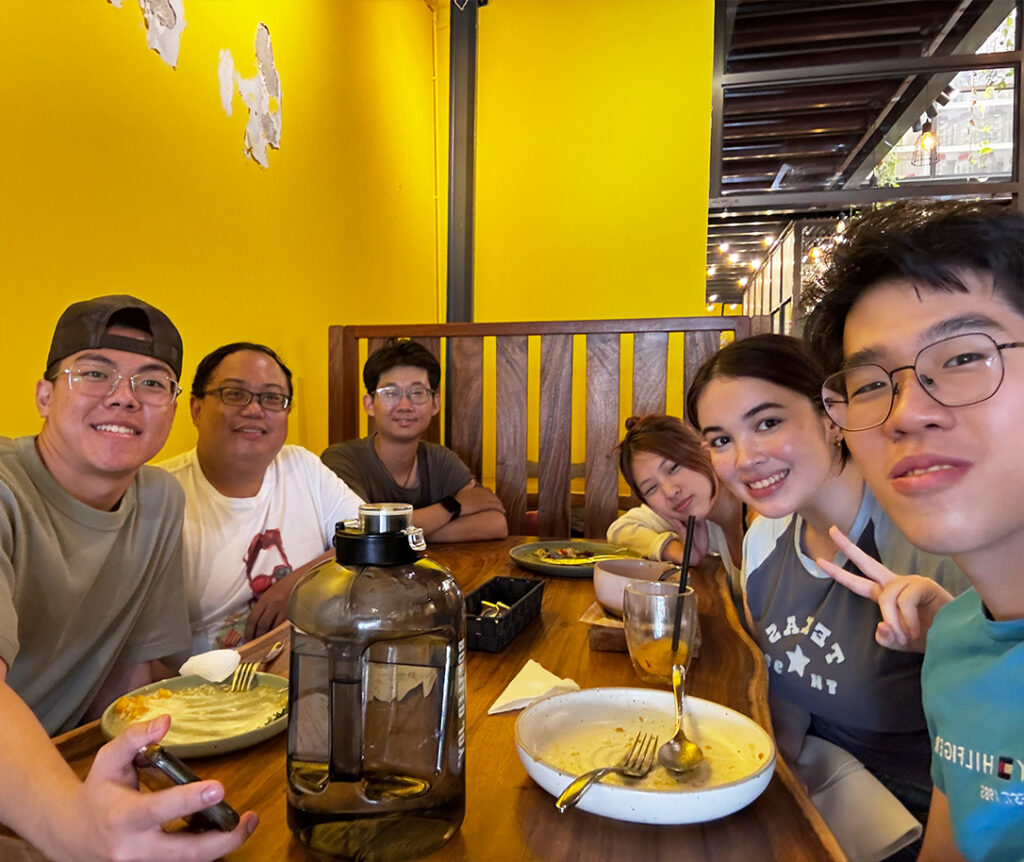
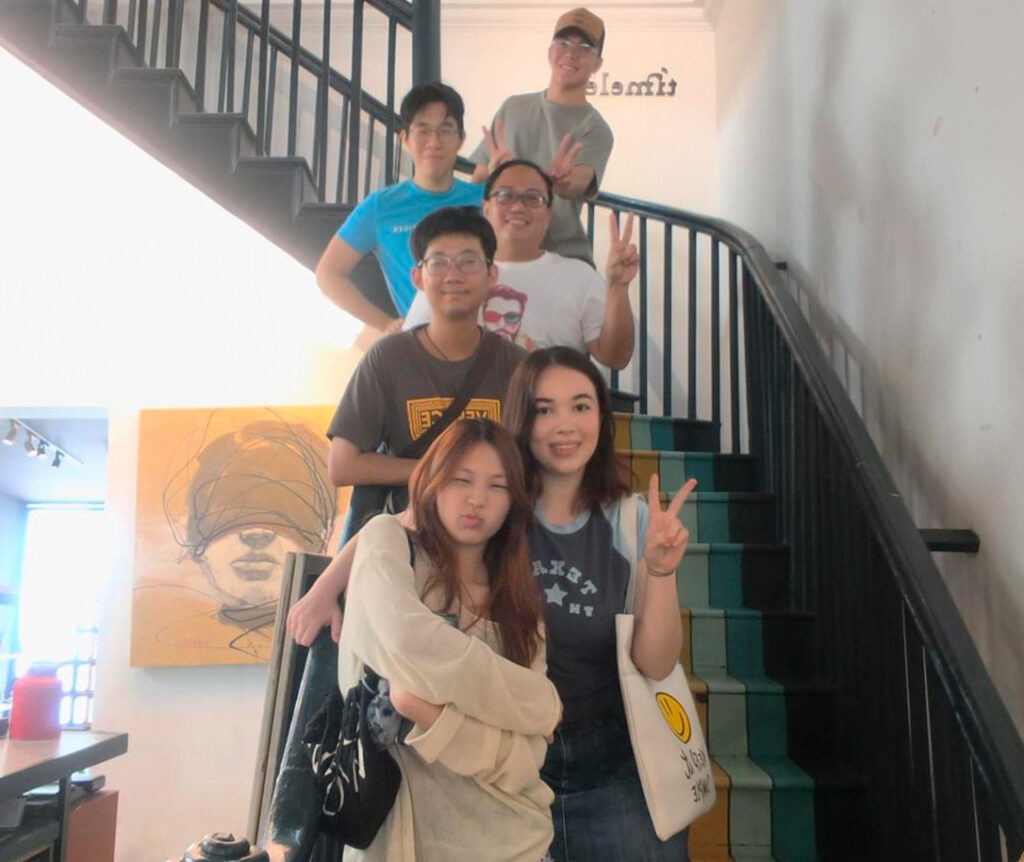
SACE International students recently embarked on an insightful visit to MUNI, Mano Plus Georgetown, accompanied by their lecturer, Dr. Kam Yew Chee. The experience provided a valuable opportunity to explore sustainable fashion practices and gain a deeper understanding of eco-friendly production methods.
At MUNI, students were introduced to the art of natural dyeing, where materials such as mangosteen skin, mangrove bark, and tegeran wood are used to create soft, earthy tones in clothing, hats, and bags. Founded by Muni Osman in 2018, the brand reflects a commitment to sustainability by nurturing creativity through nature-based processes, aligning with the UN Sustainable Development Goal of Responsible Consumption and Production. The students were particularly fascinated by the intricate process behind each item, which highlighted the effort and care involved in sustainable design.
The calm and welcoming environment of the space allowed students to fully engage with the exhibits while appreciating the uniqueness of naturally dyed products compared to conventional synthetic alternatives.
Following the visit, students spent time exploring Georgetown, where they enjoyed a relaxed walk, shared conversations, and strengthened their connections as a group. The day concluded with a pleasant lunch, providing further opportunities for bonding and reflection.
Overall, the visit was both educational and meaningful. It not only enhanced students’ awareness of sustainability practices but also inspired creativity and curiosity, encouraging them to explore similar hands-on experiences in the future.
Kate Lee Kai Ting & Alvin Thor Kai Wei
SACE International Students
Media Literacy in Academia: Navigating AI and Misinformation
Deputy Minister of Communications, Teo Nie Ching recently highlighted the need to strengthen media literacy in Malaysia, stressing that people must be able to critically assess information and identify misleading content in an increasingly digital world. Her message is particularly relevant to higher education, where lecturers and students are now using artificial intelligence (AI) in teaching, learning, and research.
AI has become a valuable tool in many areas of academia. It can help generate ideas, improve productivity, and support learning. However, as AI becomes more advanced, it is also becoming easier to create convincing but false content, including text, images, audio, and videos.
Recent case in Malaysia has shown how convincing AI-generated content can be. During Ramadan, scammers used deepfake videos of members of the royal family and Prime Minister Anwar Ibrahim to promote a fake financial assistance programme. The videos promised cash payouts and encouraged people to register for the scheme, which was later exposed as a scam. Incidents like these remind us that not everything we see online is genuine and that checking information from trusted sources is more important than ever.
With incidents like these becoming more common and AI continuing to evolve, navigating information online is becoming increasingly challenging. This makes media literacy more important than ever.
Read, learn, and engage online, but always take the time to question and verify what you see. Awareness is important, but not at the cost of accuracy.
Editorial Team
DISTED Discourse


